Axe Symbolism and Meaning: Power, Religion, Divination & Dreams

Axe Symbolism and Meaning: Power, Religion, Divination & Dreams

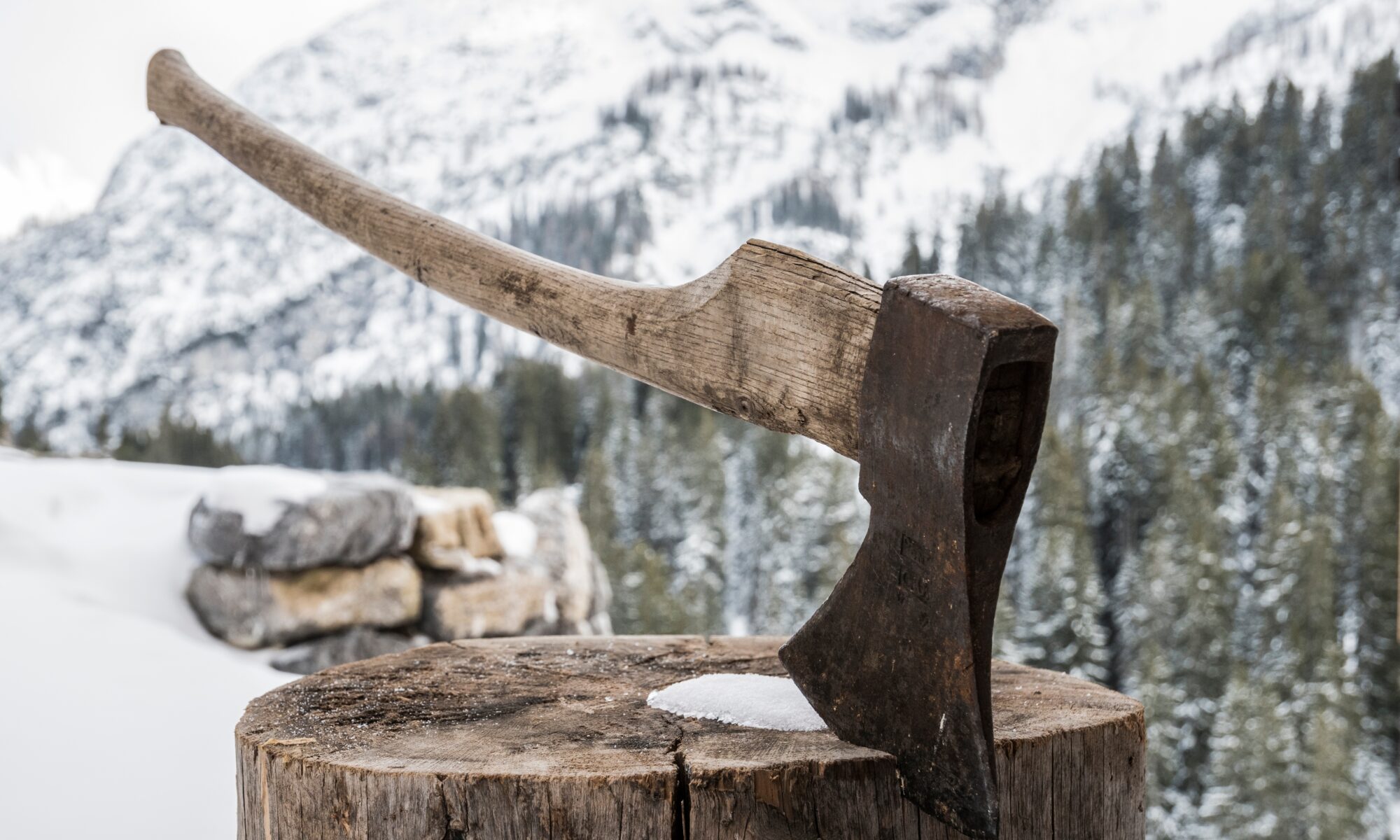
Although now it is a somewhat primitive tool, the axe has a lot of symbolism and history with power, force, and warrior culture. It has manifested in various ways across all cultures. They have appeared as weapons, ceremonial tools, religious and political emblems, and even tools for divination.
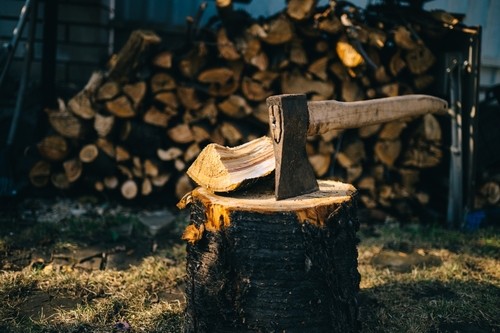
Axe lodged in stump with a large timber pile behind it

Most commonly, axe symbolism is deeply tied with force, authority, power, and strength. Sometimes, it is known as a symbol of transformation, unity, and separation. Axes can be used to hew and destroy, but it’s also used to collect timber to build shelter.

Axe Symbolism in Ancient Religion

Because axes appear in so many different cultures, there is no way we could say there is a singular kind of symbolism. Not only that, but even in one culture, there could be immense variety. Axes were tools, but they also had ceremonial purposes. Sometimes, they were big an unwieldy. In other cases, small and not likely to be used at all.

One very common symbol that has persisted is the double axe. For instance, it was an important religious symbol in Bronze Age Crete. These double-headed axes were ceremonial, and they could stand as a sign of prestige or authority.

That said, to wield an axe meant a show of power and strength. It could also show authority. In terms of ceremonial or ritual purposes, an axe was believed by some to help find treasure.

What is Axinomancy?

This is a form of divination that uses an axe. The word comes from “axe” and manteía from Ancient Greek, meaning prophecy or divination. There have been numerous accounts of how to perform divination with an axe. Across various traditions, it might involve the balance or interpretated pointing of an axe to find hidden treasure, information, or divine an answer to a question.

Warrior with two-headed axe

While getting treasure was nice, axinomancy could also be used, in light of evidence, to identify criminals or figure out where one might be hiding on the run.

Witchcraft also had a use for axes: witches would place an axe upright in the ground and start to ‘milk’ the handle, like someone would milk a cow. The result was supposed to be that cows in the town or village wouldn’t be able to produce milk.

Axe Dream Meaning: What Does an Axe Symbolize in Dreams?

Axes are subject to various dream interpretations. The symbolism can vary from culture to culture. For instance, in America, axes are typically connected with effort and struggle. A broken axe or a rusty one is often seen as a symbol of illness or loss. English dream interpretations typically say axes in dreams symbolize danger is coming, most commonly to a friend.
Fenrir: Spirit History and Meaning

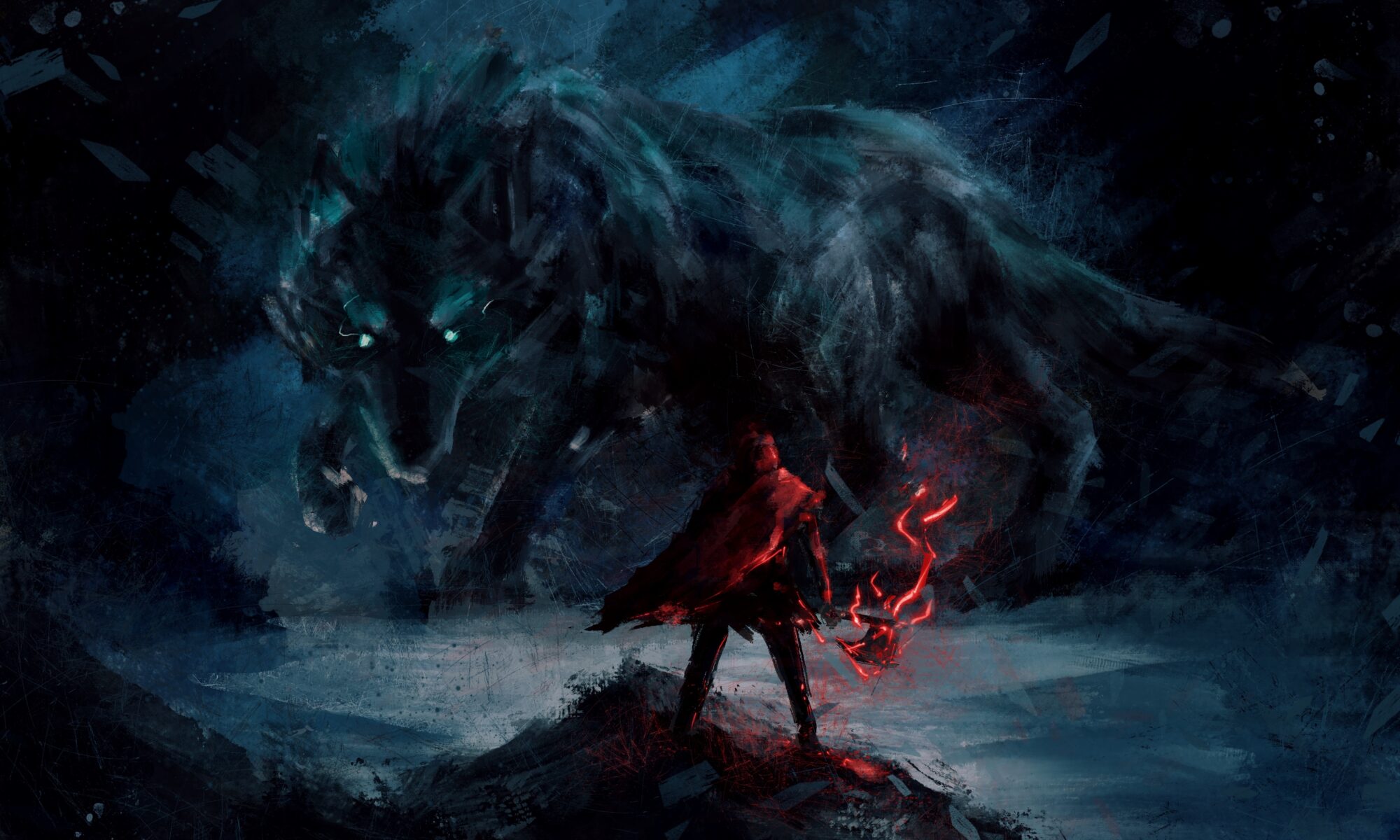
Warrior standing in front of large wolf monster

They have a blood-curdling appearance: an enormous, mangy, fanged wolf that the gods bound. They are the descendants of the fountainhead of the species, Fenrir. They are extremely fearsome, causing even the greatest entities to respect their presence. They are a force of great energy that can give even the most trained Keeper headaches, nightmares, ill feelings, and energy disruptions. When controlled, the Fenrir can provide you with incomparable protection against the evil gods and curses known to many religions. When active, their heavy breathing and claws on the floor can be heard.

As spirit companions, they are devoutly loyal. They do not obey anyone other than their Keeper, and they will not manifest to outsiders or strangers who try to pry into their existence. They choose when and where to appear to anyone who is disruptive or is trying to enact malicious magick against you. They can work well with other Dark Arts spirits, but they prefer to be the leader or in a leadership team. They resonate highly with ethereal energy, and they can provide you with immense support in Astral endeavors.

Hyena Stone

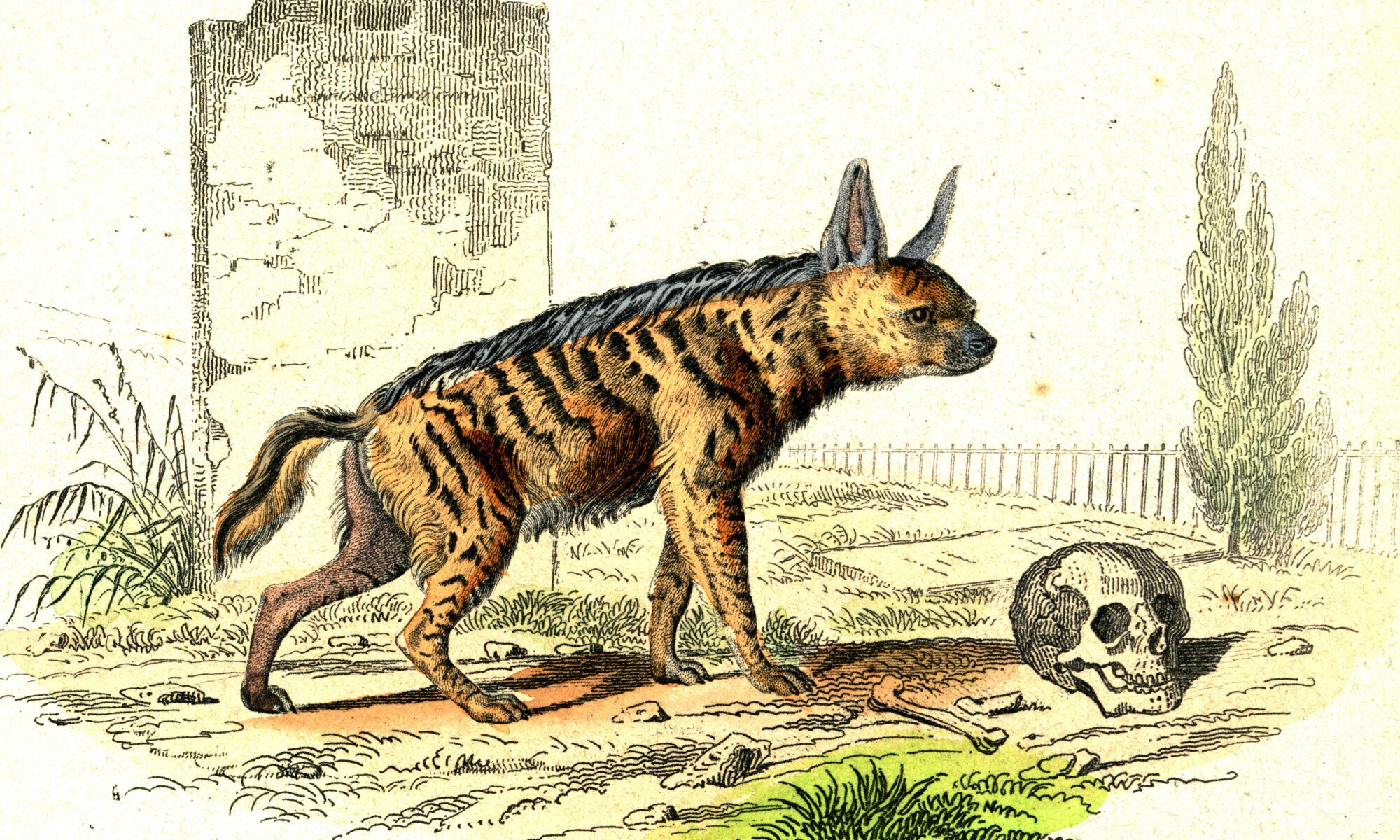
Striped hyena vintage art

This stone was supposedly pulled from the eye of a Hyena.  It could cure ‘quartan malaria’ (a mild form) and gout.  When placed under the tongue, the stone could bring about visions and foretell the future for the user.

According to Roman Naturalist Pliny the Elder, many hunters went out to kill hyenas just to get this prized stone.

What Was the Hyena Stone?

The Hyena Stone, sometimes called hyaenia, was supposedly a small stone that came from a hyena’s eye, forehead, or belly. Ancient tales and legends claimed it had the power of divination.

An early mention of it comes from Pliny the Elder in his Natural History. There, he said it comes from a hyena’s eye, and when placed under a tongue, it supposedly gave that person the ability to predict the future. Pliny was generally skeptical of magickal claims, so he wrote about it with some distance.

In certain later descriptions, writers claimed that this legendary stone could even cure mild malaria and gout. Others, would say it could help lighten and cure a fever.

While many of this comes from later writers, some of it also appears in Pliny’s account in some way. For instance, he recorded many folk claims of healing that supposedly derived from the hyena. He said that folk healers would use their teeth for headaches and “quartan fevers relieved by three tastes of the liver before the attacks, gout by the ash of the spine.”

This might explain why others attributed these cures to the hyena stone.

Was the Hyena Stone a Real Gemstone?

There is no evidence that the Hyena Stone was a real gemstone itself. The history seems to follow a tradition of many Hyena-related health claims.

Strangely, it is typically birds associated with exotic or fantastical minerals, which are typically believed to be gastroliths.

Hyena’s don’t have gastroliths.

There is much speculation about what the imagined mineral was, with suggestions ranging quite a bit. It could have been chatoyancy, or it could have been quartz. It’s possible that there was never a distinct mineral in mind at all.

Homunculus in Alchemy: Origins, Meaning & Myth

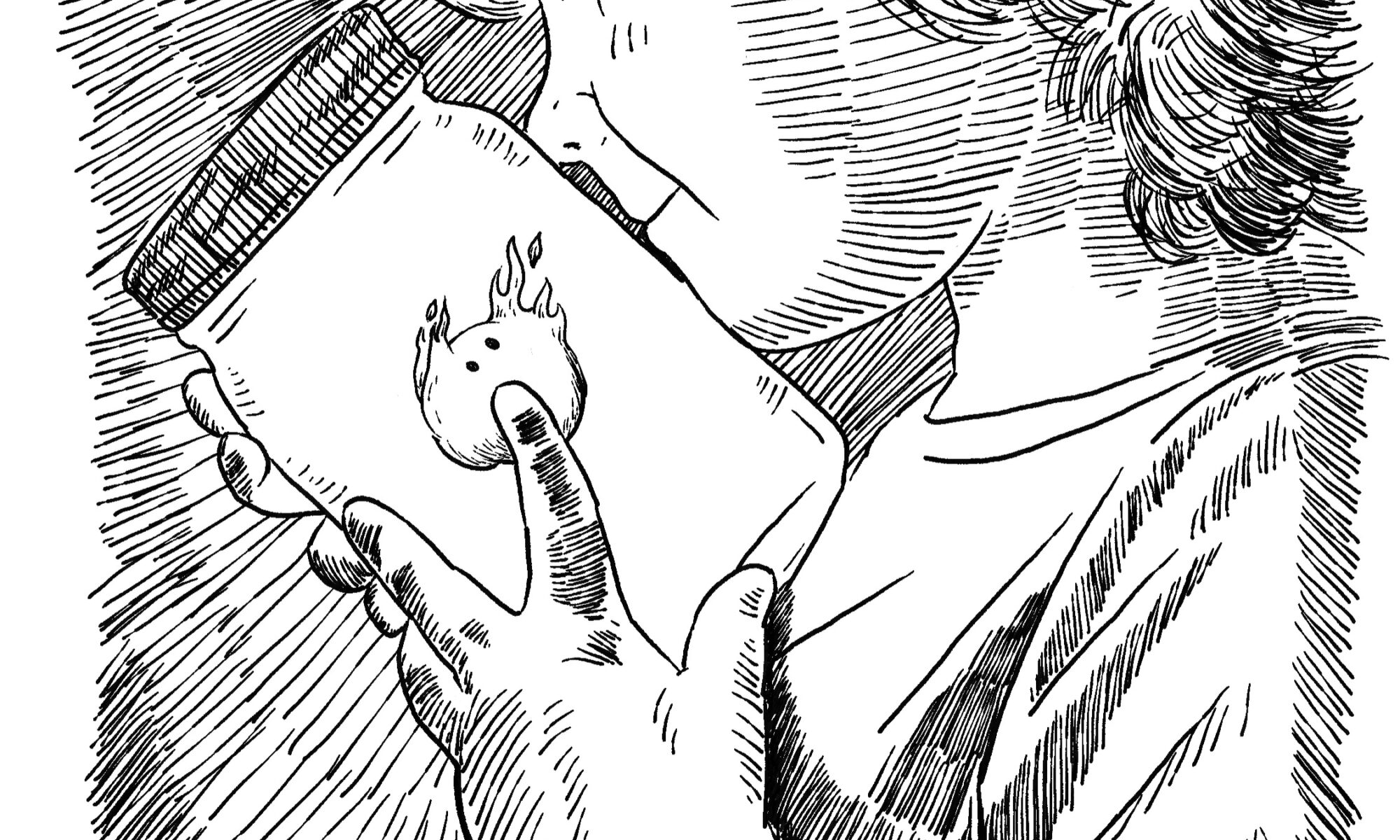
Sketch of a child holding a jar with a creature inside

A homunculus is traditionally understood as a human being created through alchemical or occult means. The word “Homunculus” is of Latin origin and means “little human”. It first appeared in De homunculis and De natura rerum.

The homunculus is typically associated with 16th-century physician and alchemist Paracelsus, though it is not entirely clear if the was the writer of the original passages in De natura rerum. Today, it is believed to have been written by numerous authors and not Paracelsus.

The most famous tales of the homunculus describes it as a small human sealed inside of a vessel of some kind.

What Is a Homunculus?

A homunculus is a small human artificially created through alchemy, and it was imagined as an genuinely living, breathing human. While many alchemists are associated with metals and turning lead to gold, quite a few of them were eager to understand the nature of life itself. Many of them were especially curious about growth, decay, medicine, and even creation itself.

But how did one make a homunculus then?

According to the old recipes and such: To create this being, human semen would be encased in a glass jar or vial. The jar is then placed in a horse’s womb or manure for 40 days. Yuck. If you could stomach that, you would supposedly see movement in the jar on the 41st day. It also supposedly would take a vaguely transparent human shape.

This transparent being must be fed while remaining in the horse manure for 40 weeks. Variations describe the rotation of fresh horse manure (in whatever rotation of days that may mean). The being was said to slowly develop a childlike form, now needing the “arcana” of human blood and steady warmth.

After 40 weeks, the incubation period is over. According to the recipe, someone would end up with a living, human baby that is no less distinguishable than a baby given birth to by a mother, though it would be much smaller.

Manure probably stands out to you readers…why manure? It is strange, yes, but it was supposed to be a good substitute for the warmth of a womb.

Now, the original wording used “venter equinus” does literally refer to a horse’s womb. But, historically, it actually referred to the fermenting manure.

That said, there does exist an earlier text that references the womb of a cow. This comes from the Liber vaccae. This text is falsely attributed to Plato, and it comes from an Arabic translation into Latin. The process is not dissimilar, except it says that human semen would be placed into the womb of a cow.

No evidence shows that any experiment with horse manure, cows, or human semen could create a human being, and we do not advise readers to try and replicate any of these recipes.

Hexagram: Meaning and History

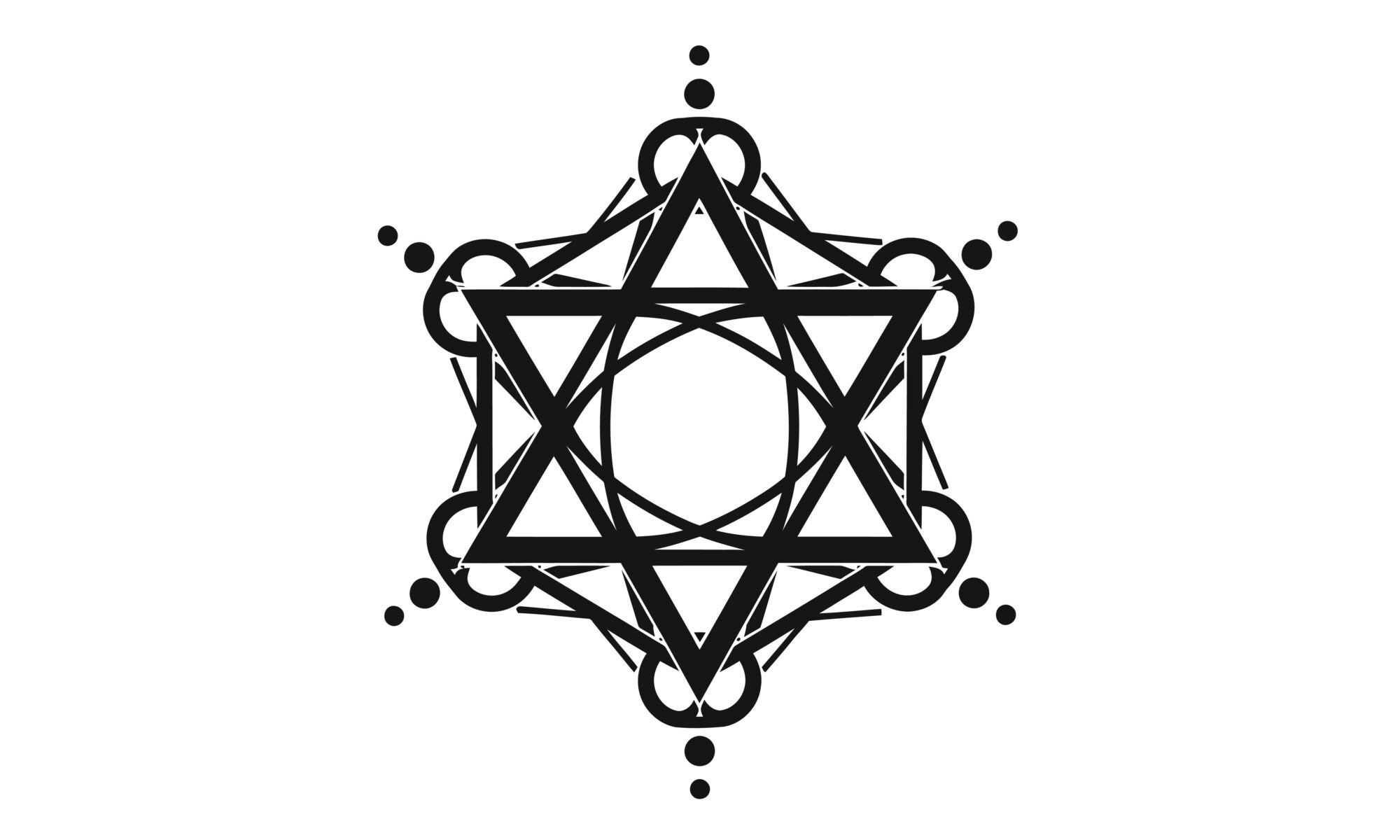
Hexagram illustration

The hexagram consists of two overlapping triangles.  The one thing that many people associate with a hexagram is the Star of David. Religiously, the hexagram symbolizes the relation of man and God. But the strange thing is that the hexagram is not mentioned in the Bible, so the origin of the hexagram’s connection to the Star of David is a little strange.  The Star of David does mean ‘David’s Shield,’ and it was worn by Jews or placed on Jewish amulets so its wearer could have good luck and ward off bad luck.

Today the flag of Israel does have a hexagram, more specifically the Star of David. However, the hexagram can also symbolize male and female, like Yin-Yang.  In European magick, the hexagram is used for spirit mastery and for removing malicious spirits, and it is also used in alchemy as a symbol of distillation. It may also symbolize the Philosopher’s stone, a stone that could change metals into more valuable ones, such as gold or silver.

Hamon – Ammonite History

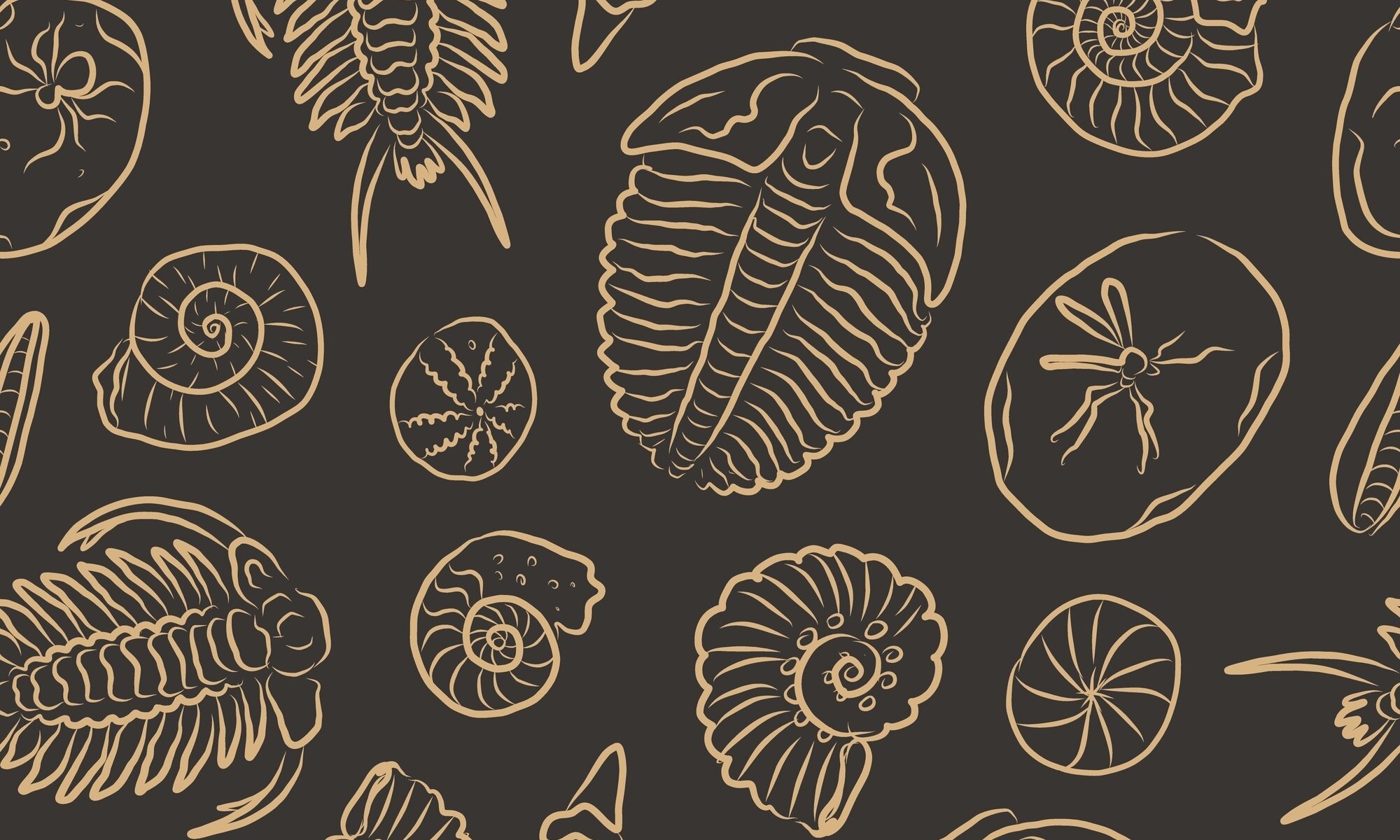
Ammonite Shell Pattern

A gold stone shaped like a horn that provides the owner amazing, divine visions.  If you are in a quiet state of mind and body, the stone provides you with sight into the intricacies & secrets of the divine.

The stone has gone through a fair few names. Many of which are derived from Pliny the Elder’s original writing on “Hammonis” or “Hammonis cornu.”

Today, we know that this stone is actually ammonite, a fossilized shell. According to Pliny, it would make dreams come true. It isn’t surprising that the stone’s name has been shortened to just “hamon,” even though it is actually ammonite.

Garatronicus: Stone Meaning

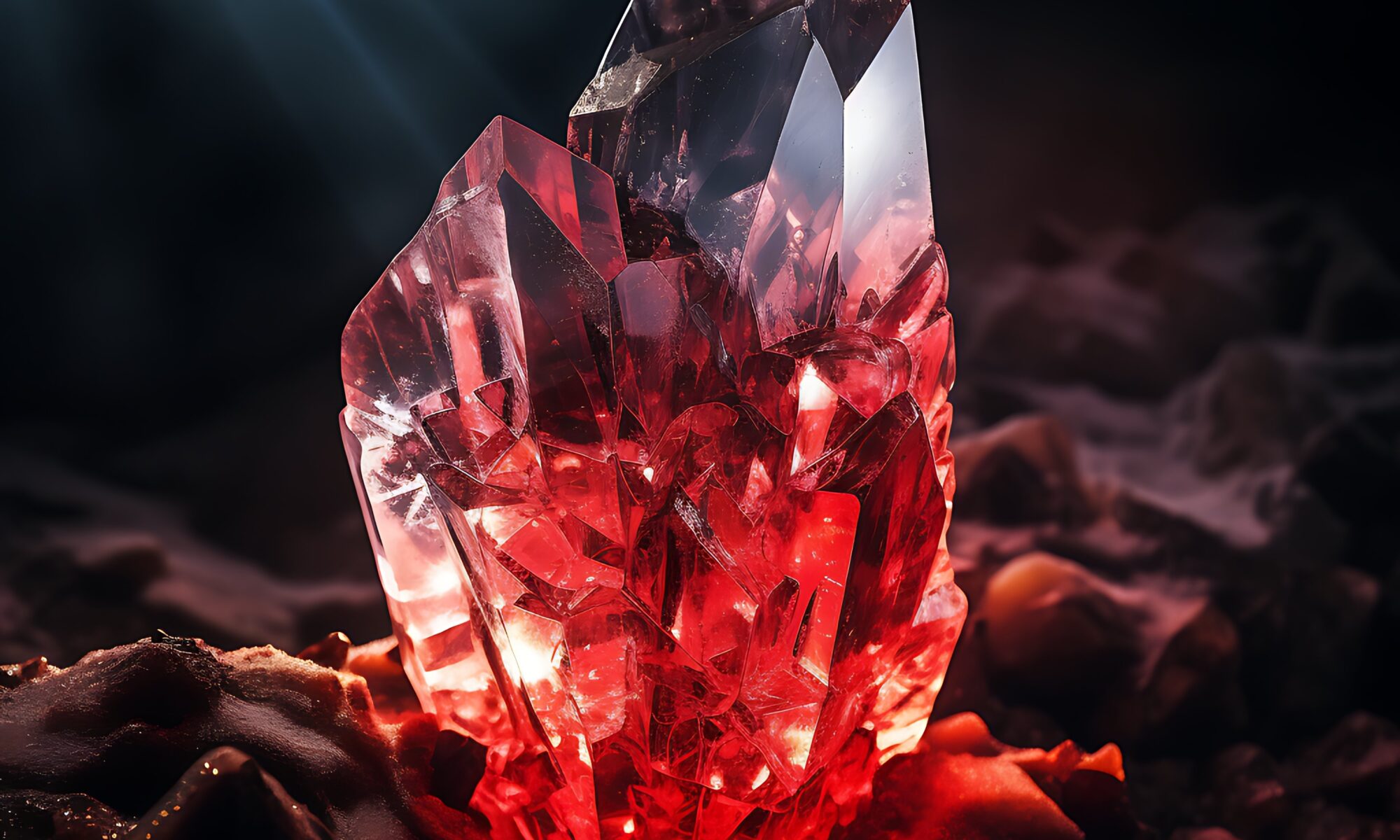
Red crystal in a cave

A red stone reputed to make its owner invincible, but it has gone by a few different names. Garatronicus, or Gagatromeus was said to, according to some versions of the legend, also aid one in battle, as Achilles was said to carry it to ensure victory.

The story changed quite a bit as it passed between writers. In his Book of Minerals, Albertus Magnus calls the stone “Gagatronica,” but does not associate it with Achilles. Instead, he claims that it was carried by Alcides, which is a much older name for Hercules that you rarely see today.

At first, the difference might appear coincidental, like the writers were describing entirely separate stones that just happened to have similar names.

But we know this isn’t actually the case. Camillo Leonardi’s account in Speculum Lapidum, includes additional details whose source, according to translator Johann Beckmann, is not actually known. Regardless, Leonardi identifies Achilles as the stone’s owner.

This shift in attribution may have resulted from an error with copying or interpretation. Remember, Magnus used the name “Alcides” rather than “Hercules,” and it’s not unlikely someone confused “Alcides” with “Achilles.”

In a way, it is more fitting that the stone would belong to the great warrior Achilles.

Friar Rush: The Drunken Imp Who Plagued Monks and Monasteries

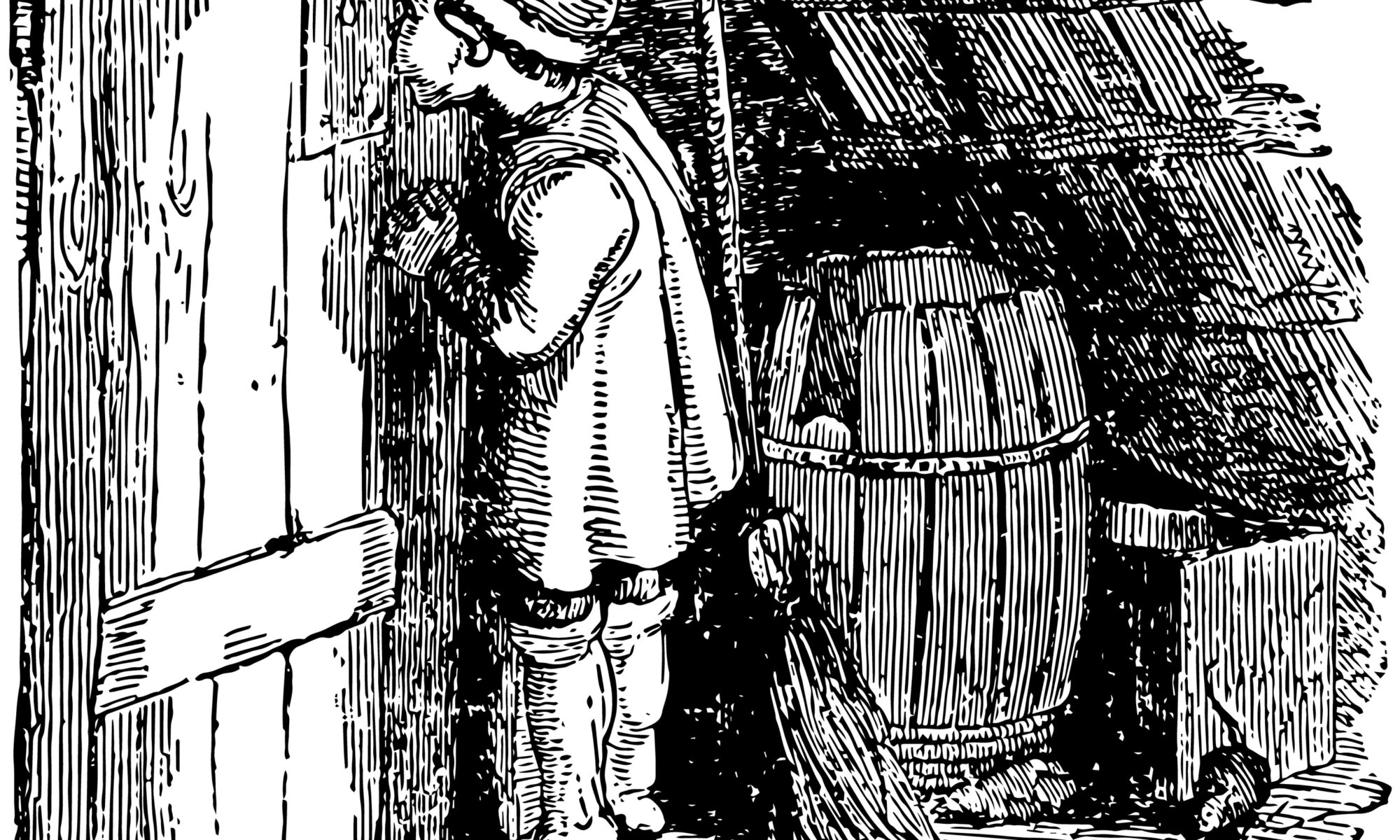
Goblin standing at door

Who Is Friar Rush?

Friar Rush is a mischievous supernatural figure that originates from Medieval and Early Modern European folklore. This little trickster was said to infiltrate monasteries and prank, corrupt, and disturb the monks there. He pushes strife, disorder, arguments, and even plays jokes on the monks — which are rather destructive.

Now, Friar Rush does not come to the monastery looking like a typical pointy-eared and horned devil.

Demonic Priest

Instead, he appears as just a young, honest man looking for work. He succeeds and manages to become a kitchen servant.

The character first appears in text from a 15th century Low German verse text, though it is possible he is older and comes from an oral tradition. The character would later appear in Danish, Swedish, Dutch, and English stories. In many of these, he becomes more heavily associated with all sorts of indulgent sins — drinking and gluttony in particular.

In the English world, he is perhaps best known from the Historie of Frier Rush, which tells of how Rush was sent there from hell to disrupt the friars and the religious house to amazing and spectacular success.

The Plague of Monks and Friars

In a folkloric sense, Friar Rush is the perfect plague of a monastery. He’s not always especially forceful in his approach. He works by tempting and encouraging the monks to the point where they are incapable of doing their work at all. He encourages drinking far too much wine, eating a lot of food, being idle, engaging in arguments, and so on.

Friar Rush succeeds because of particular human weaknesses that give him opportunity.

How Do You Get Rid of Friar Rush?

This is where a line needs to be drawn from the old folklore as written and the various interpretations that would follow.

In most tellings of the story, the friars and monks figure out Rush’s demonic nature. They exorcise and expel him with Christian religious means, such as Mass.

Although he was understood as a tale, later folk tales might have been curious as to how they could deal with such a mischievous spirit.

The most basic approach would be this: get rid of the alcohol. Since Friar Rush encourages drinking, not having alcohol around and not drinking it would be the best natural approach.

Was Friar Rush an Anti-Catholic Satire?

Friar Rush does indeed belong to a long tradition of comedic works, especially satire, that looks at corrupt monks and monasteries lacking any sense of discipline. This often comes up in certain articles on the figure. There is a grain of truth here, but saying that Friar Rush is “anti-Catholic satire” is too simplistic, especially since the original tale is rather straightforward in its message: Monasteries are clerical, rigid and orderly, but here is this demonic figure making them act the opposite. Only in later tales and retellings was the figure appropriated to make fun of Catholic monasteries as becoming weak, corrupt, hypocritical, or even abusive.

Feeders: History and Lore

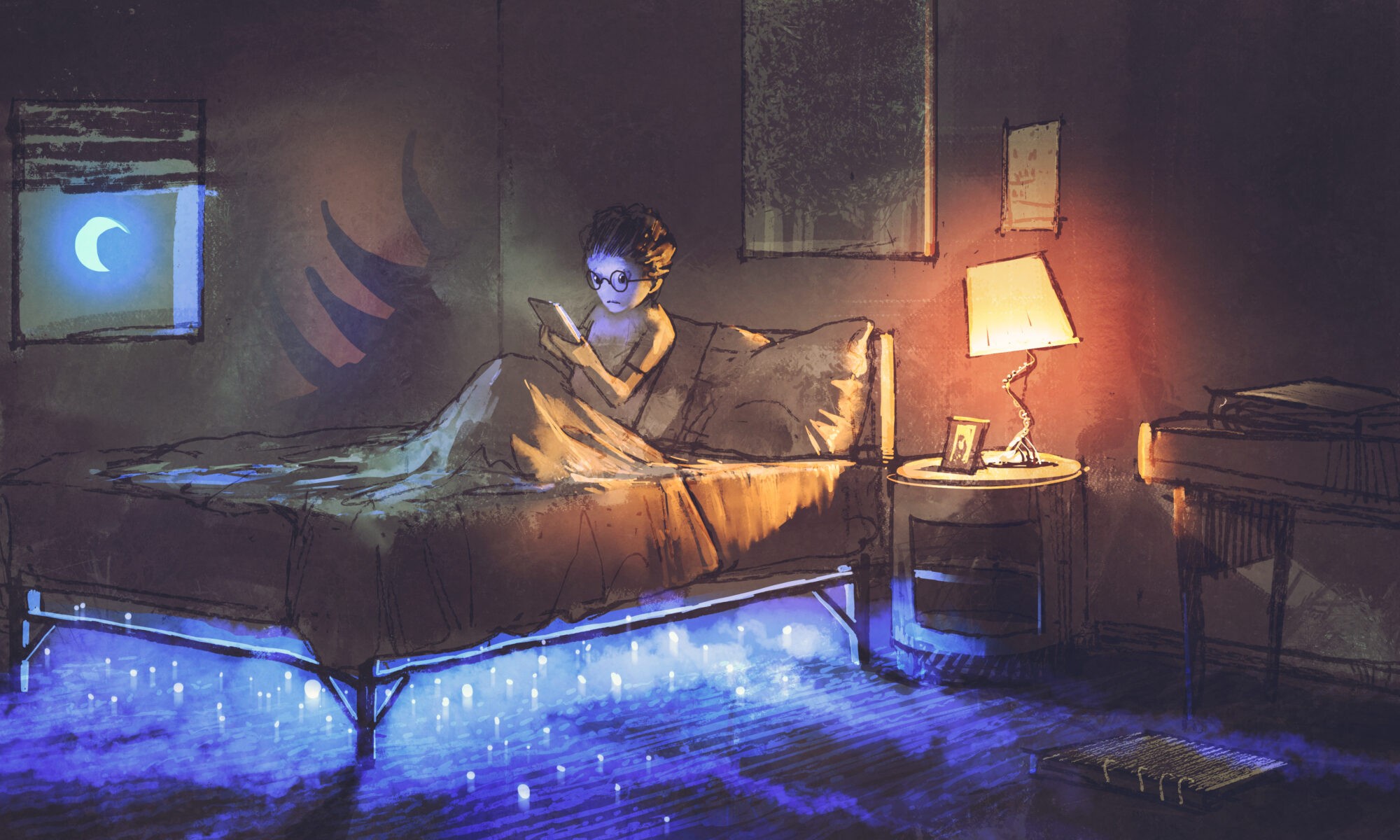
Boy Reading Tablet In Bed with Monster Underneath

There are different types of Feeders both on the astral & spiritual planes. No specific event brings them on, and they are roaming entities that feed on hosts, typically animals or humans. They are not beings that can be bound as spirits are bound, nor would anyone want to, as a contained Feeder is a dangerous situation for anyone in the dwelling/location.

Feeders are said to be rare, as they aren’t plentiful, but appearances do happen, and being a Spirit Keeper or practicing magic doesn’t make you any more or less susceptible to being chosen as a host.

Feeders were said to prey on people whom they think they can gorge on energy from. They start slowly, picking at energy bit by bit. And as that person’s energy becomes more drained, they do things to try and provoke more energy from you, like fear, stress, anxiety, etc.  They are highly evolved beings that can shape-shift not only themselves but also an extension of their core energy to be multiple things, which is what happened here.

Stories have held that Feeders might be more prone to target young kids, as they are easily provoked and have a lot of energy. Feeders typically stay with a host anywhere from a few days to a few weeks before they move on. They don’t stay in one place for long or with one host for long, and they don’t typically move from one family member to another. They roam constantly and feed from multiple sources because each of our energies is different, and they do best feeding on variety rather than from a single energy imprint.

Forest Spirit Folklore: Evergreens, Winter Shelter & the Fae

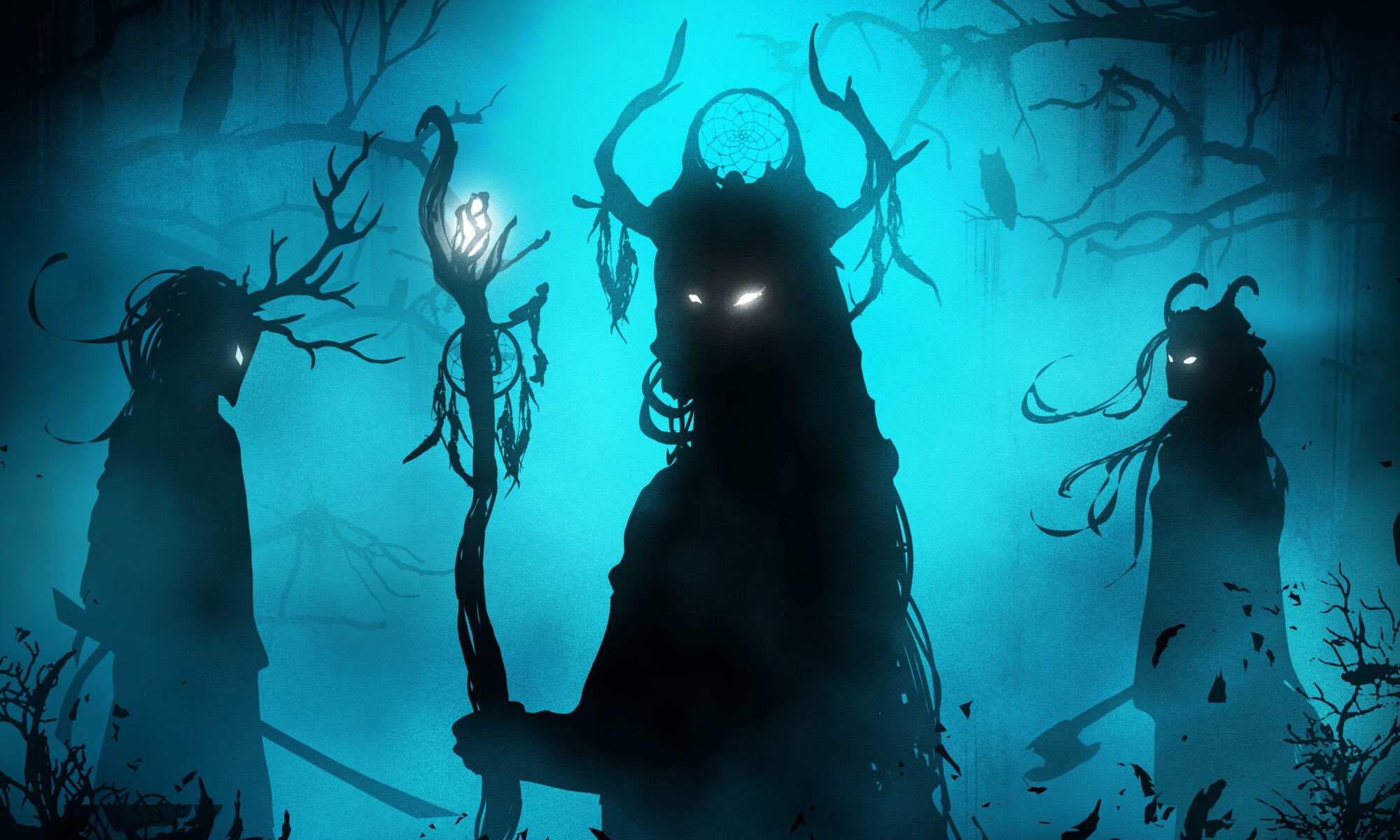
Dark silhouette of three shamans

In winter months, those who place sprigs or boughs of the Evergreens in their home signify that they are a place of shelter for forest Sylvans, Sprites, Fae, and other small entities who need to seek shelter from a harsh winter.  The Evergreen is typically placed somewhere warm in the home and near a window.

There is something so mystical an evergreen forest in winter, isn’t there?.

What Is a Forest Spirit?

Forest spirits are supernatural or spiritual being that have deep ties to forests, flowers, trees, plants, and sometimes even animals.

Because forest spirits encompass numerous cultures and traditions, there single account of what they really are outside of their natural ties. Forest spirits are vast in their identity. They can be sly tricksters or stalwart guardians of the land. In some cases, they could be tied to specific trees or portions of a forest. Or, they might span the entire woodland area.

Most commonly, forest spirits manifest with fae or fairy folk, sprites, dryads, and local spirits of a place.

Why Are Evergreens Associated With Winter?

Winter is powerful and transforming. It can be elegant and beautiful. But it can also be desolating. Flowers disappear. Crops struggle to survive and grow. Trees lose their leaves.

And yet the evergreen persists with its vibrant life.

That has made it stand as a symbol of persistence of life through the harshness of winter. This has lent itself to another form of symbolism: a home for the spirits.

Evergreens as Shelter for Forest Spirits

Evergreens in winter are beautiful, but they are also said to be homes of various forest spirits. One old legend is that they may reside in forest branches, and if someone brings an evergreen branch into their home, it can offer greater shelter for these spirits and help them escape the cold, dark winter. This idea has persisted in various contemporary accounts of modern Druid life and winter traditions.