What is the Cardiff Giant Hoax?

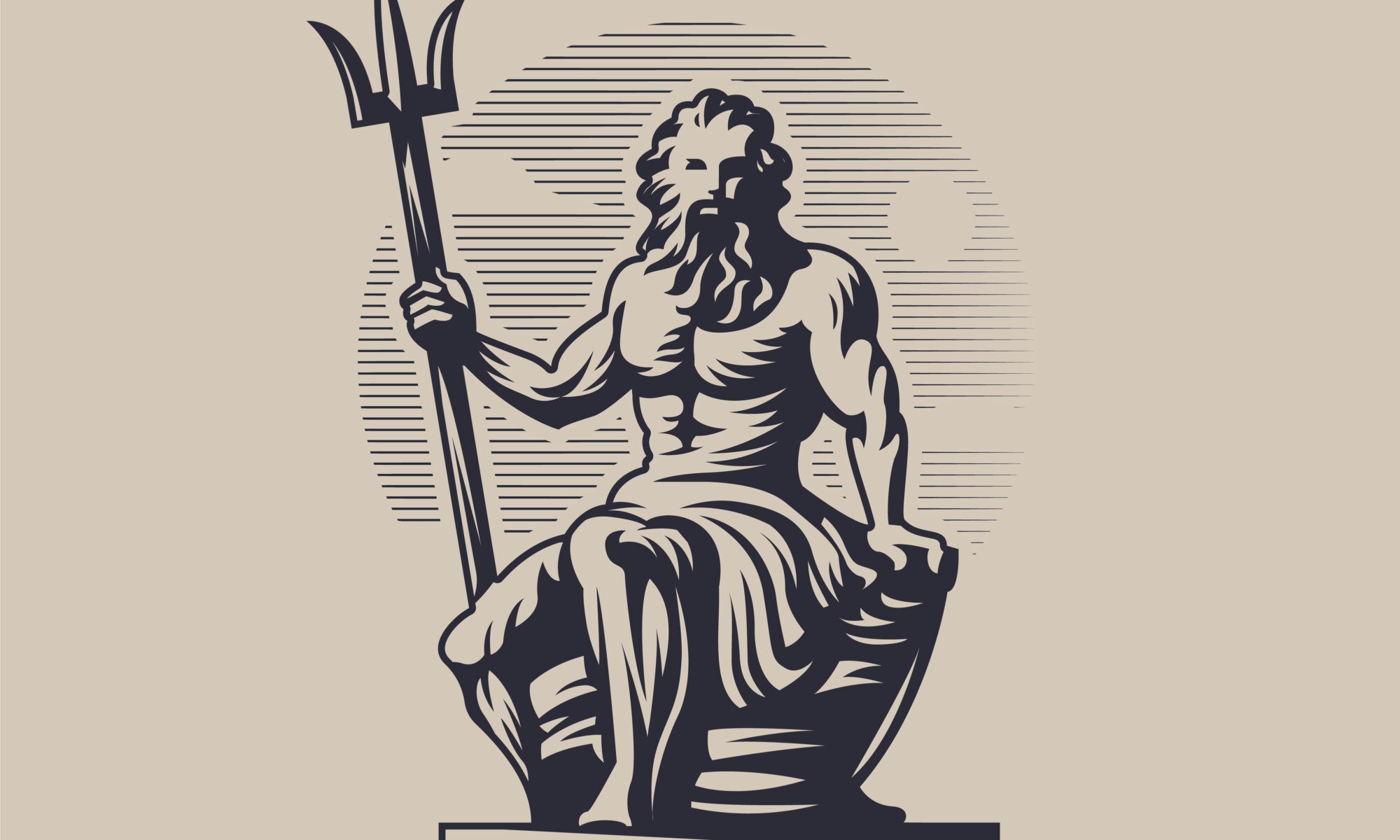
Illustration of the God Neptune

The 1860s saw one of the greatest archaeological hoaxes in American history, starting with a great “discovery” on October 16, 1869. It came at a perfect time. People had a fascination with curiosities, oddities, scientific discoveries, religious revivalism, spectacle, and hoaxes.

This curiosity was the brainchild of George Hull, who shook the sleepy community of Cardiff, New York. The petrified giant man measured over ten feet in length, weighed just under 3,000 pounds, and was discovered by a crew of men digging a well for William C. “Stub” Newell on his property. It did not take long for the word of a petrified giant unearthed to sweep like a firestorm throughout New York and beyond.

Newell immediately organized his efforts to safeguard the giant on his property and make the most of the discovery financially. He initially charged twenty-five cents a head (about $6 in 2026) to see the giant, but, perhaps due to demand, he raised the price two days later to fifty cents a head (about $12 in 2026). The pricing did not deter curious onlookers who desperately wanted to see what was being touted as a Biblical giant by some news sources.

Illustration of statue holding a torch

Right away, some believed the discovery was the remains of a once-living human, while others thought it was a giant statue, perhaps a graven image of a god or heroic figure.

Whatever people said or news sources published, it was obvious the public was enamored and wanted to see the giant for themselves.

What was the truth? George Hull was inspired to create the stone giant after a heated discussion with a Reverend – typically sourced as Reverend Turk – of the Methodist faith. The Reverend argued that the Bible was to be taken literally, and that Genesis 6:4, which reads, “There were giants in the earth in those days…” meant that literal giants walked the earth.

Hull, an atheist and skeptic, felt the Bible was less literal and more subjective. Hull decided he was going to make a stone giant, bury it to be found, and allow the imaginations of the public to tout the giant as a realization of the Biblical passage, while quietly mocking those who believed and making money off not only them but people from any and all faiths.

Hull’s work certainly paid off. From a $2,600 investment (about $63,800 in 2026), he made over $30,000 (about $736,5000 in 2026) for a 75% interest (though some sources say it was around $23,000) when a syndicate paid Hull for the giant so it could be moved to Syracuse, New York, where it would garner greater publicity and financial promise. The Cardiff Giant went on display at the Bastable Block/Theater in Syracuse.

The move to Syracuse came with greater publicity and scrutiny. Othniel C. Marsh, a renowned paleontologist at Yale, took the time to review this miraculous find. He went on record as saying it was “a most decided humbug” and pointed out obvious mistakes in the craftsmanship, such as visible chisel marks. Marsh and other experts explained that gypsum is soft and water-soluble. If the statue had actually been buried in the wet, acidic ground of western New York for that long, it would deteriorated a lot.

This public outing by Marsh spurred the debate further. Some agreed with Marsh’s conclusion. Others swore the Cardiff Giant was authentic.

Illustration of the god Apollo

In the middle of this, showman P.T. Barnum was not one to be left out of a good thing, and he made an offer to those who bought the Cardiff Giant from Hull. According to contemporary/later accounts, Barnum offered as much as $60,000 (Over $1.4M in 2026) for just a 3-month lease of the giant. The syndicate, headed by David Hannum, refused Barnum’s offer.

For one reason or another, Barnum commissioned an artist to build an exact replica of the Cardiff Giant, erected the replica in his museum in New York City, and immediately claimed that the Cardiff Giant in Syracuse was a fake, while his was the “real” Cardiff Giant.

Barnum’s claims appeared in the newspapers, and Hannum supposedly said of those paying to see Barnum’s copy, “there’s a sucker born every minute.” This famous quote is often misattributed to Barnum. Though, it’s not entirely clear if Hannum actually said it, either.

Either way, Hannum was not going to back down from a major investment or let Barnum steal the profitable thunder. So, Hannum sought an injunction against Barnum’s competing exhibition.

Seeing the fanned flames of two men embroiled in a legal battle over whose giant was the real Cardiff giant, George Hull came out to the press on December 10, 1869. So, both giants were fake.

The details of plot to mock and profit from Biblical literalists came to light. He ordered a massive block of gypsum from Fort Dodge, Iowa, and under the guise that it was to be used as a monument to Abraham Lincoln. Once in Chicago, Hull hired German stonecutter Edward Burghardt and stonecutters working with him to create the Cardiff Giant. What incentive Hull offered Burghardt for his vow of secrecy was not reported. They used a mixture of acids and toxic fluids to create the weathered look on the stone and random staining. The surface of the gypsum was beaten with needles on a paddle to create the porous look for the supposed petrified skin.

Illustration of the goddess artemis with a deer

Once completed, Hull had the giant transported by train to his cousin’s farm. That cousin was William C. Newell, the same one who needed that well dug. They left the giant buried for nearly a year and waited for the perfect opportunity for “discovery,” even though it was deliberately staged.

A profitable venture for all included in this tale of one of North America’s most interesting hoaxes. The giant remains on display in the Farmers’ Museum in Cooperstown, New York. While the rabid interest of the Cardiff Giant has waned over the years, its appeal as a hoax remains a curiosity to those seeking the bizarre and weird in the world.

Belial Demon History

Who is Belial?

Belial (or Beliar) is best known today as a demon, though sometimes the term appears as a synonym for the devil himself.

Though, Belial’s origin is not necessarily demonic. The term originated from Hebrew and is of unclear origins. It is typically taken to mean “worthlessness” or “wickedness,” and it wasn’t the name of a demon or for the devil. Only much later was the term personified and associated with Jewish and Christian apocalyptic traditions, most commonly as a demon or the devil himself.

Belial is noted in the Sibylline Oracles, a collection of pseudonymous prophetic poems attributed to Sibyls. In III.63-74, Belial makes an appearance, as a false-messiah figure who leads many astray before ultimately being destroyed by righteous judgment.

Belial would appear much later in various literary traditions. One notable appearance is in John Milton’s Paradise Lost, where he is portrayed as a deceptive fallen angel associated with corruption of priests and institutions.

Belocolus Stone: History and Properties

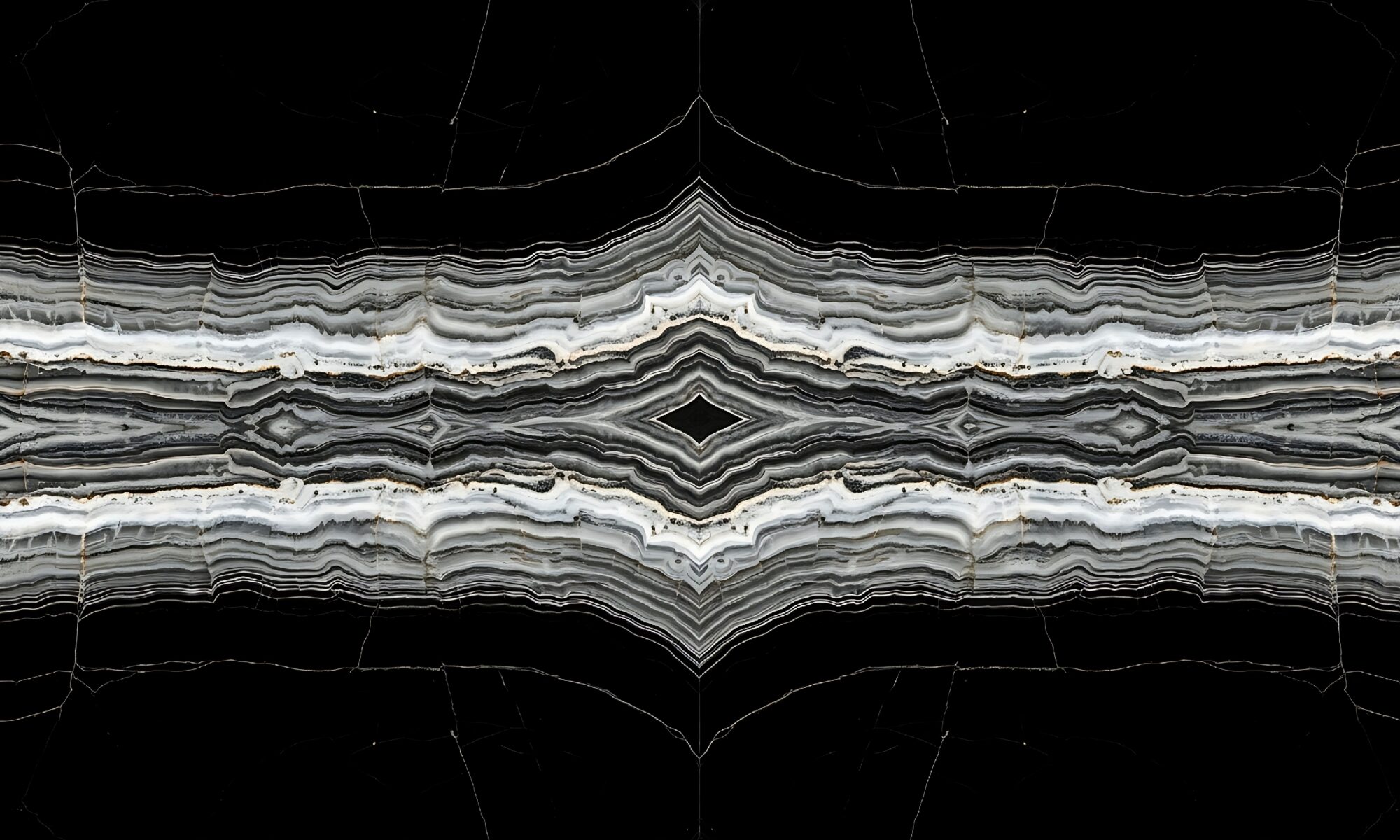
Symmetrical Polished Onyx Stone

Also known as Beli Oculus or the Eye of Belus, this mystical stone was said to brings the person carrying it the power of invisibility. It has been described as a white stone with a black center.

The stone had quite a presence in the Late Middle Ages into the Early Renaissance. According to Siegfried Wenzel, the stone appears in the sermons of Robert Holcot, but says it bears the name of the demon Bel and compares it to envy.

This is interesting, as Isidore of Seville, the Archbishop wrote something different about the name. In book XVI of his Etymologiarum sive Originum, he write that Beli Oculus is named in honor of the King of Assyria, Belus.

Neither Holcot nor Isidore of Seville mention invisibility. This attribute appears to have been a rather late addition to the myth.

Feather: Meaning, Symbolism, and History

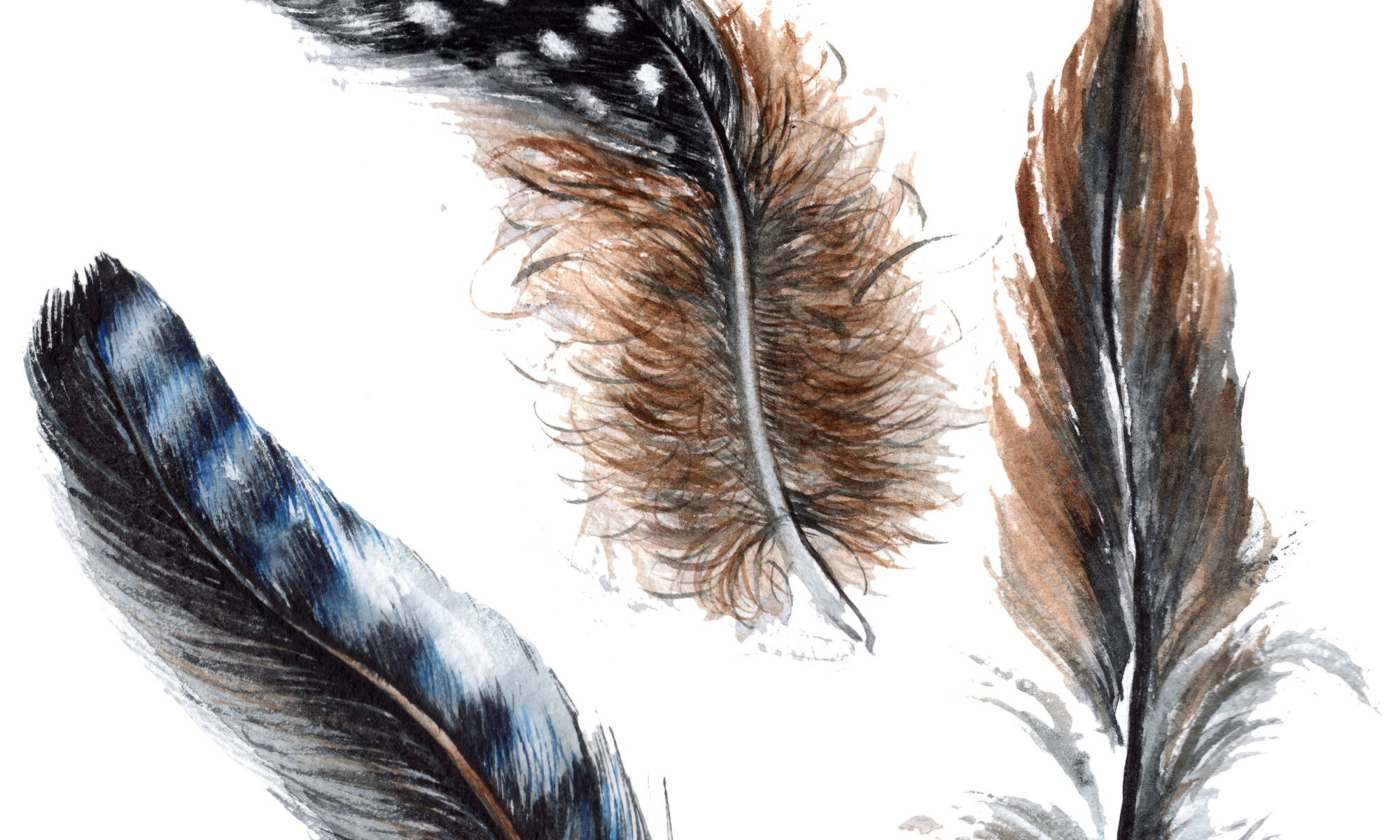
Watercolor Bird Feather Art

A feather weighs almost nothing. And yet it is so heavy in symbolism.

Feathers have acquired such immense meaning across different cultures and time periods. Truth, freedom, spiritual authority, honor, prayer, protection, achievement, remembrance, and the boundary between life and death. These meanings were also usually entirely unique. For instance, a feather in ancient Egypt would have an entirely different meaning when compared to various Native American traditions.

So, to understand feather symbolism, we would need to look at various cultures, birds, and histories

That said, in modern Western symbolism, a feather typically represents freedom, lightness, and hope. More specifically, they can represent one overcoming obstacles and rising above arbitrary limits.

Feathers as a Sign of Life

Because feathers are incredibly light, one historical meaning was that a feather could be a sign of life.

In the modern day, we have various ways to see if someone is still alive. Back then, someone could hold a feather near someone’s mouth or nose. If the feather moved at all, that person might still be breathing and could still be alive.

Various tales and forms of historical medical literature describe more than just feathers. A candle was another popular choice. Of course, these methods are rather imprecise. But it did help cement the feather’s symbol and meaning for something between life and death.

Feathers and Ancient Egypt

The feather of Ma’at is perhaps the most famous symbolic representation of feathers.

In ancient Egypt, Ma’at embodied truth, justice, order, and even rightful functioning of the cosmos. A feather could be seen as representative of Ma’at, and she was commonly depicted as a goddess wearing a tall feather.

Ancient Egyptian funerary beliefs are vast and intricate, but a very well-known one in the public is the judgment in the afterlife and the weighing of the heart. The heart was seen as the center of a life – memories, thoughts, moral actions, and all.

The heart of the deceased was weighed against Ma’at or a feather that represented her. If they lived in accordance with Ma’at, their afterlife was blessed. But if not? The heart could be fed to Ammit (or Ammut). Ammit was depicted with a variety of features. She had the head of a crocodile, the body of a lion, and the hindquarters of a hippopotamus. If she ate your heart, any possible existence of a peaceful afterlife went away there, as your soul was destroyed. From there, the soul would become eternally restless.

Native American Feather Meaning and Symbolism

Aside from Egypt, feathers are also typically associated with various Indigenous cultures of North America. While there is no single symbolic representation, as Native American communities are incredibly diverse, we can still explore the history.

The Smithsonian’s National Museum of the American Indian records a great deal of ceremonial feather objects. These have been associated with the Shawnee, Comanche, Tahltan, A (Zuni), Acoma Pueblo, Wixarika, and many more.

Eagle feathers have immense cultural and religious importance for various American Indigenous communities. In the U.S., federal wildlife laws are strict and generally prohibit selling, hunting, killing, or capturing over a thousand listed species of migratory birds, and it does not discriminate based on whether the bird is alive or dead. Protections are extended further to any bird parts – including feathers. This is to say that you should not seek out eagle feathers yourself.

There is a longstanding recognition from the U.S. government that eagle feathers have been used in Indigenous American religious ceremonies and traditional cultural icons. As a result, individuals of federally recognized tribes are generally given exceptions and can obtain eagle feathers and other eagle parts for religious and cultural purposes.

The feather can carry various meanings, ranging from ceremony, religion and spirituality, honor, responsibility, leadership, and healing. These vary greatly based on tribe or nation.

Perhaps the most common misconceptions involve feather headdresses, with many believing they were universally worn by fighters and warriors who would add a feather for each enemy killed.

In reality, the use of feathered headdresses varied immensely. They were commonly associated with Plains, and they had various meanings across status, merit, or achievement. Typically, they were reserved for leaders. Eagle feathers in general were signs of great merit and respect.  

The Feather Today

Feathers still see immense symbolic popularity today. It’s quite common to see them in jewelry, clothing, and tattoos. Often, it is used to show freedom, liberty, or rebirth (especially a phoenix feather).

Emerald: Stone Symbolism and Meaning

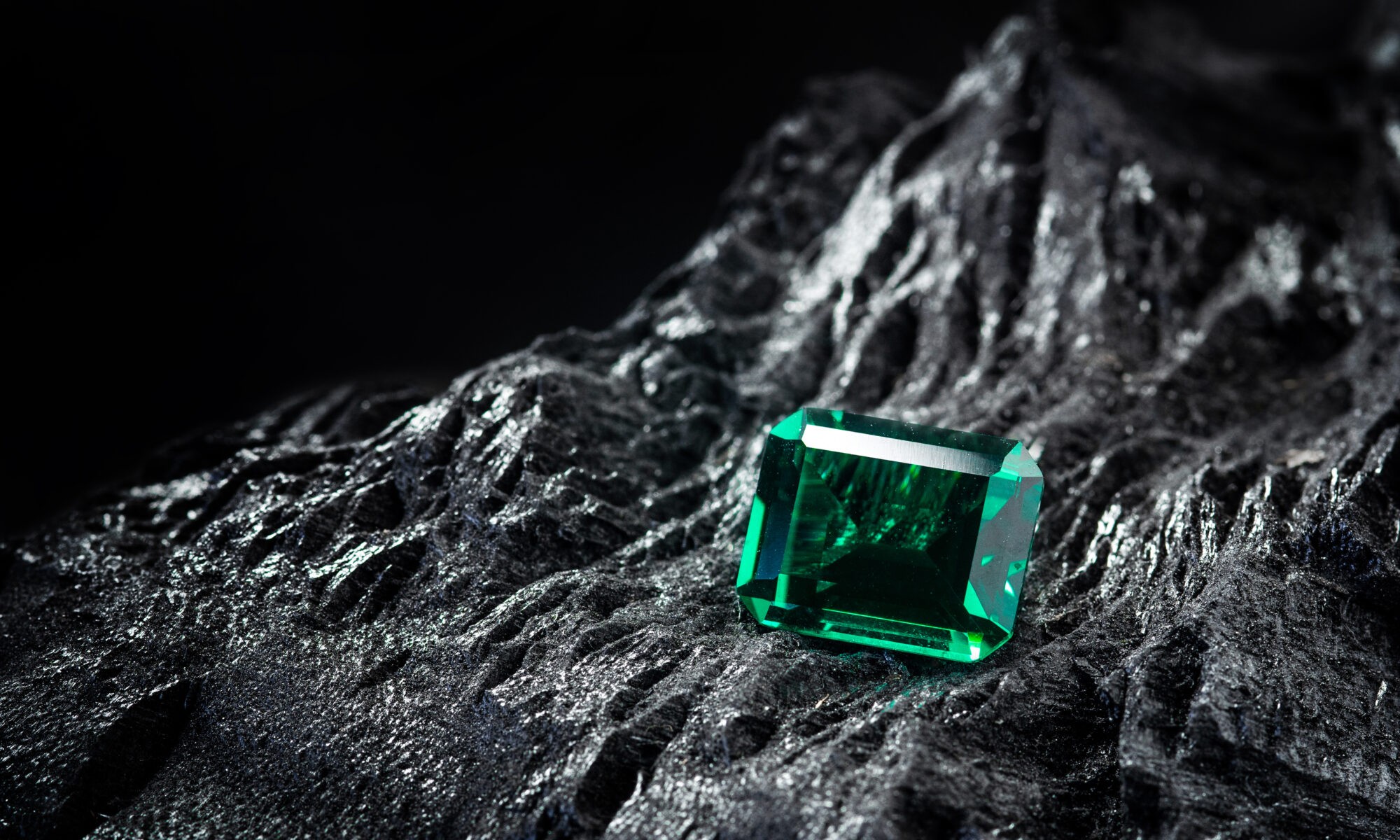
Cut emerald gem on rock

Emerald is at the center of a wide variety of myths, symbols, and stories. Really, few have been able to garner such a reputation. Less, even, for how well emerald does it! It has become an icon of love, fertility, growth, and wisdom.

Emerald is the birth stone of May, but there is a lot of history before coming up to that point. For instance, Ancient Egyptian mines were able to allow emeralds to enter the Mediterranean world, and Cleopatra became rather well-associated with the gem. Roman writers also were quite fond of the stone’s lovely green color, and later traditions associated the stone with love.

Eventually, emerald would be connected with Venus, oh so gorgeous goddess of love and beauty.

What Does Emerald Symbolize?

Emerald has traditionally symbolized love, growth, renewal and health. The stone’s lovely color has influenced this, no doubt, as green has traditionally been associated with growth and health.

Ancient Egypt occupies an important place in the history of emerald.

Early emerald mining comes from Egypt and is believed to have started since at least around 330 BCE. Cleopatra VII had an intense passion for Emerald and played a major part in connecting the stone with Egyptian royalty. Many held that it strongly symbolized life and regeneration. For instance, there is the Wadj Amulet. The word wadj could mean “green”, “fresh”, or “flourish”. Although these were typically made of feldspar, it helps illustrate the association of “green” with life or health.

Emerald, Venus, and the Meaning of Love

From Cleopatra to the goddesses, it seems that Emerald can’t escape beauty and femininity. Emerald has a rich association with Venus, the Roman goddess of love, beauty, and fertility. The rich green color has complemented the symbolism of fertility and nature abundance. Emerald, unlike other stones of love, symbolizes truth, harmony, and faithfulness.

Black Pullet: History, Meaning, and Story

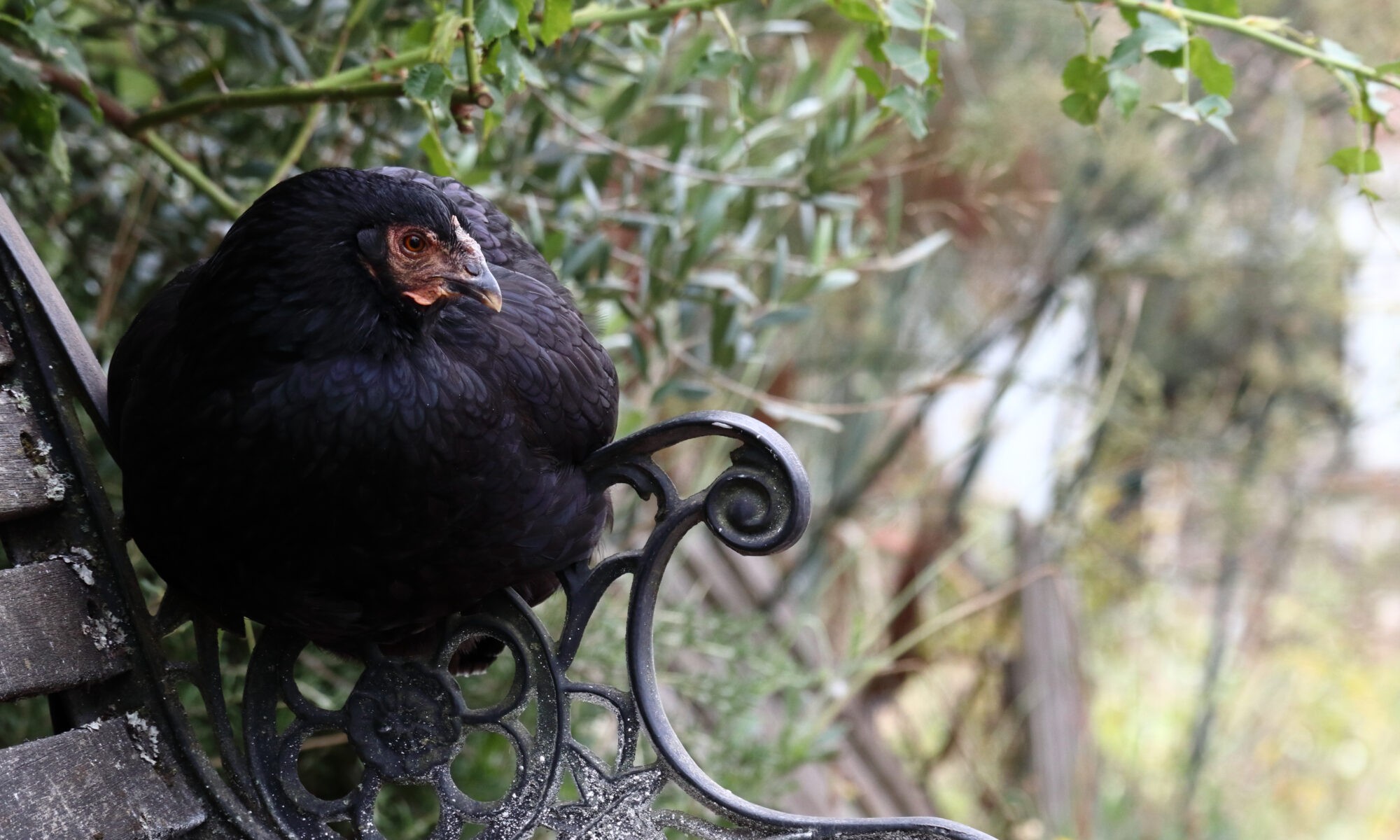
Black Hen Sitting On Bench Arm Rest

An interesting albeit controversial method of having a magical hen that can find treasure is described in the Black Pullet (La Poule Noire), or, the Hen with the Golden Eggs. It says that one must do the following. First, take a completely spotless egg with and place it outside in direct sunlight at noon. Then, one must have a hen that is “as black as possible.” If the hen has feathers of any other color, they must be plucked out. Then, one must cover the hen with a hood to block its sight. Then, the hen is placed in a black box, or box lined with black material, and placed in a room without any light. The hen is only fed at night and tends to the egg without interruption. According to the grimoire, because everything appears black to the hen, its “imagination” will be affected by its surroundings.

If all of this is done correctly, and with the right luck, the grimoire claims the chick that hatches will be pitch-black and can find treasure.

Contrary to popular belief (and the title), as described in the original grimoire, the power lies in the ability for the hatched chick to find treasure rather than directly produce it with golden eggs.

Fat of the Sorcerer: Witch Ointments & Chimney Folklore

Shaman Woman raising her hands

Christmas tradition loves the idea of a jolly Santa coming down the chimney. But long before this jovial figure were witches. Odd connection, I know. But European witchcraft lore had a common theme of witches flying in the sky and entering or exiting through chimneys. But how precisely had witches been able to perform such a feat according to the folklore? Flying ointment.

This ointment could have a rather odd or downright gross origin. Some tales say this comes from human fat. That’s already quite bad, but even further, some say it must be from murdered or unbaptized children.

This ointment could have a rather odd or downright gross origin. Some tales say this comes from human fat. That’s already quite bad, but even further, some say it must be from murdered or unbaptized children.

Less disturbing stories say the Devil taught witches how to make the ointment, or he would give it to them.

If the idea is revolting, well, that’s because it was meant to be. As far as the greater mythology goes, witches were downright cruel in European folklore. They would kill and kidnap children, form pacts with demons, destroy farms, fly about the night and cause storms, and so on.

Witch hunts in the early modern period saw all sorts of different stories developing. Magical salves and ointments were part of a broader mythological tradition that found their way into witches.

Did Witches Use this Ointment?

It’s kind of hard to say. There is some possible truth people tried to make such an ointment.

There are a few possibilities that can explain things.

For one, some historical recipes of the supposed ointment include various highly poisonous ingredients, such as hemlock, mandrake, nightshade, belladonna, and/or wolfsbane. Under no circumstance should you try to recreate such an ointment with these ingredients. They have been noted to cause delirium, confusion, hallucinations, and disturb a person’s perception of reality. So, it’s possible that this would give one the impression of flight, but it could have been in a severe delirious state.

It’s possible that hysteria, dreams, trances, or another altered state could be an explanation where the person under such an influence would believe it’s “supernatural” in that cultural framework.

Some accounts came from accused witches who were under immense pressure to confess. So, their statements are not really reliable.

It’s also worth noting that many just come from stories. It’s not unlikely that some were just that — tales. Others may have had a more mischievous intent. Some could have been warnings or moral tales from parents to children. It’s hard to say, since it’s not like a lot of this had been written down so extensively at the time.

So, we can’t really say what the exact answer is. It wasn’t a totally fabricated myth, as people tried to create something. But it’s also not entirely the case that they were hallucinogenic salves.

Broomsticks: Witchcraft History

Young Witch riding broomstick in the forest

This simple cleaning tool has been a keystone of witchcraft portrayals. Witches fly welkin high upon their wooden mount in the ebony sky. Some witches confessed to flying on a broomstick, and they have been a symbol of magic for a long time. But why?

Why are brooms associated with witches?

The image of a witch riding a broomstick is an icon of witchcraft. However, witches and warlocks were not always depicted as riding on brooms. This association developed and solidified more in the late Middle Ages, particularly in the days of witch-hunting.

A 1451 manuscript, Martin Le Franc’s Le Champion des Dames, depicts a very early illustration of a witch flying on the broomstick. However, it also shows another witch riding on a plain staff.

Not long after this depiction, a 1453 witchcraft case brought the issue of witches and broomsticks up. This case involved Guillaume Edelin, a French prior who was accused of witchcraft. In his confession, he admitted to riding a broom to get to the witches’ Sabbath. Edelin ended up repenting for the crime and spent the rest of his life in prison.

Oddly enough, prior to his accusation, Edelin denounced and ridiculed the idea of both the witches’ Sabbath and that witches could fly on brooms. His denial of such things ended up making him seem suspicious, as accusers seemingly believed Satan told him to preach such things so people would not believe it.

There is uncertainty regarding parts of the trial and interrogation. Many believe he confessed under extreme pressure, duress, or even physical torture.

If anything, this really shows us the absurdity of most witch trials. He denied witches could fly on brooms, and that is evidence of the devil telling him something.

Brooms weren’t the only flying machine for the witches. As stories developed across the late-medieval and early-modern witch periods, other objects would appear. They could be pitchforks, shovels, and even animals.

Late Middle Ages and Early Modern Period: Isobel Gowdie and the Witch’s Broom

For one reason or another, the broom remained as the most iconic instrument for flight when it came to witchcraft.

Another famous confession and account comes in 1662 from a Scottish woman: Isobel Gowdie. She gave a variety of confessions, and in one of them, she said she placed a broom in her bed and, as she left the house, recited words intended to keep it there until she returned. This account may have helped push the idea that a broom is an extension of the witch. Though, this is an early modern myth and not medieval.

Why Did Witches Fly Through Chimneys?

A fairly common element derived from witches and their broomsticks is the idea that they could fly straight out of the chimney.

In 1598, a woman named Claudine Boban was accused of witchcraft. In her account, she claimed that both she and her mother mounted a broom and shot right out of their chimney to ride to the witches’ Sabbath. This may have been a part in contributing to this idea, but this association predates her confession.

Another explanation comes from a possible tradition of women placing a broom against the door or in the chimney to let others know they were away.

Witches, Chimneys, Sickles

As the idea of witches flying into chimneys became more prominent, it led to interesting folklore developments. Why are some chimneys at an angle? Well, one of the more well-known folklore explanations in the West is the witch’s crook. According to some legends, witches can only fly their brooms in straight lines. So, to stop a witch from landing in your chimney, bend the the flue. This would stop a witch dead in their tracks.

The real explanation for why they are lopsided is more boring and is about warmth and limits. Builders would employ that bend to guide the chimney safely past roof rafters or structural beams. Then, masons would adjust the angle of the flue to make sure the chimney emerged correctly,

Though, perhaps one of the more unique, and violent, accounts comes from South Slavic folklore. Friedrich Salomo Krauss, a 19th century folklorist, described an interesting account. According to him, some might launch volleys into the sky, aimed right at the clouds, to shoot witches down. This wasn’t blind firing. Some believed that witches thrived in the dark, stormy clouds of hail and thunder. According to them, witches were the source of these storms. Others would use potent herbs and let the smoke rise high up, as some of them were believed to be the bane of witches. A bonfire also might be lit, which was supposed to offer protection against the storm and hail.

It wasn’t enough to let a bullet or even the landing finish the job. Some would deliberately place sickles, scythes, billhooks, all other types of sharp tools to cut or impale any witch that landed on them.

Cursed Bread – Bread of Judgment History

Illustration of various kinds of bread

Divination by means of bread where a person’s guilt or innocence is determined.  “Bread of Fate” (aka Cursed Bread, Guilt Bread, Bread of Judgment) is a piece of bread that contains a truth and/or reveal spell.  When someone is suspected of something and their guilt or innocence needs to be established, this bread is created.

You would give a piece of the bread to the convicted person (typically a size large enough to fill their mouth).  If they choked or became rapidly ill from the bread, they were determined guilty.  If they were able to eat the bread without any problem, they were innocent.

On an interesting (and macabre) note, they typically used barley bread for this practice, which is easy to choke on.

Ceraunius: Stone Meaning, History and Lore

Raw red quartz stone

This quartz stone is typically clear, with a touch of salmon or deep red. It is said to fall from the skies to the person for whom it will provide protection, though other records describe it as a stone mined from the ground. It is said to provide protection against strikes of lightning, drowning, misfortunes, and disasters of all kinds. On a positive note, it will provide its owner with a restoring, blissful night of sleep.

Ceraunia comes from Latinized Greek “keraunos,” meaning “thunderbolt.” This word typically was reserved for stones believed to have formed from lightning strikes. So, ceraunia are known as thunderstones.

In some stories, these bolts of lightning would strike deep into the ground and rise back to the surface, causing the formation. Other tales simply said the stones formed at the place of impact.

Roman Naturalist Pliny the Elder wrote about ceraunia, one specifically that was supposedly formed when lightning struck.

These ideas persisted over the years, manifesting from time-to-time in various stories or interpretations. Eventually, these thunderstones would become prized for protection rituals and beliefs. Many sought it out in hopes to protect their homes from lightning strikes. The stone would later have other properties associated with it, such as bestowing good sleep.

Were Thunderstones Really Created by Lightning?

In most cases, thunderstones were not actually created by lightning. Rather, many of these “thunderstones” were actually prehistoric stone tools. However, they still were incredibly important discoveries for archaeology and understanding how these cultures interpreted these objects.