

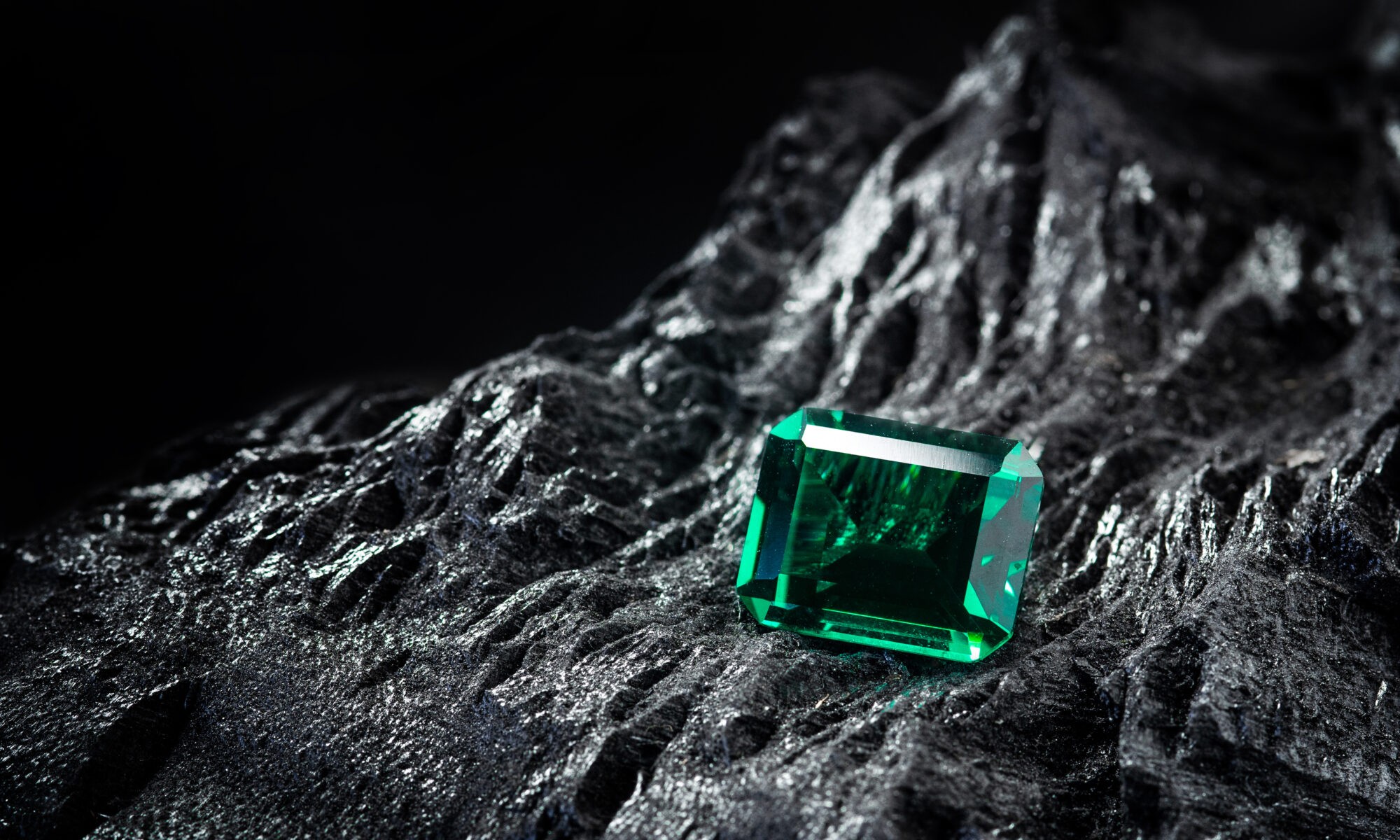
Emerald is at the center of a wide variety of myths, symbols, and stories. Really, few have been able to garner such a reputation. Less, even, for how well emerald does it! It has become an icon of love, fertility, growth, and wisdom.
Emerald is the birth stone of May, but there is a lot of history before coming up to that point. For instance, Ancient Egyptian mines were able to allow emeralds to enter the Mediterranean world, and Cleopatra became rather well-associated with the gem. Roman writers also were quite fond of the stone’s lovely green color, and later traditions associated the stone with love.
Eventually, emerald would be connected with Venus, oh so gorgeous goddess of love and beauty.

What Does Emerald Symbolize?
Emerald has traditionally symbolized love, growth, renewal and health. The stone’s lovely color has influenced this, no doubt, as green has traditionally been associated with growth and health.
Ancient Egypt occupies an important place in the history of emerald.
Early emerald mining comes from Egypt and is believed to have started since at least around 330 BCE. Cleopatra VII had an intense passion for Emerald and played a major part in connecting the stone with Egyptian royalty. Many held that it strongly symbolized life and regeneration. For instance, there is the Wadj Amulet. The word wadj could mean “green”, “fresh”, or “flourish”. Although these were typically made of feldspar, it helps illustrate the association of “green” with life or health.
Emerald, Venus, and the Meaning of Love
From Cleopatra to the goddesses, it seems that Emerald can’t escape beauty and femininity. Emerald has a rich association with Venus, the Roman goddess of love, beauty, and fertility. The rich green color has complemented the symbolism of fertility and nature abundance. Emerald, unlike other stones of love, symbolizes truth, harmony, and faithfulness.
