

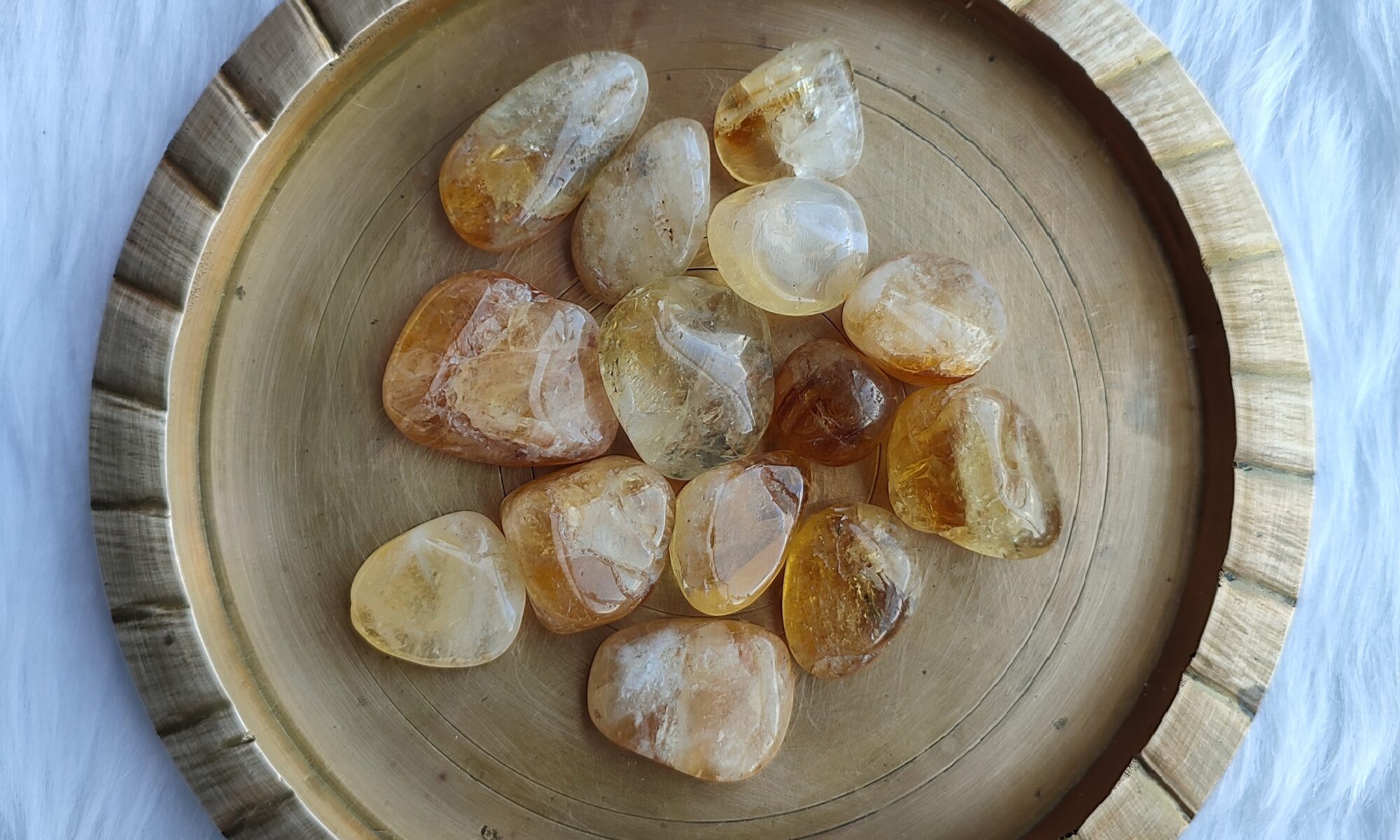
Agapis is a legendary yellow stone that, according to historical gemstone lore, was believed to help relieve the effects of bites and stings when dipped in water and applied to the affected. It has a history of being known as a happy stone that brings joy, love, and warmth.
What is Agapis Stone?
Agapis is a rather obscure yellow stone that occasionally pops up in old gemstone lore. It isn’t especially known like many gemstones we are familiar with today. Rather, Agapis is better as something historical, traditional, and legendary rather than something we can define with modern minerology. This makes finding a real world “agapis” kind of tricky.
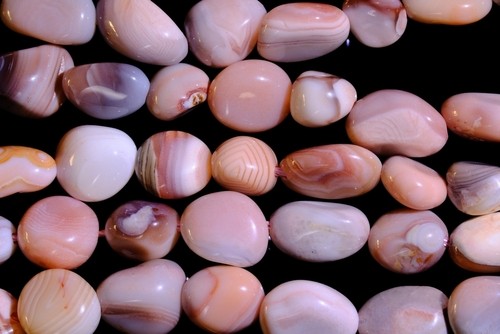
So, what do the historical sources say? Historically, it was often associated with agate, a variety of chalcedony. You probably guessed as much due to the stone’s name. However, back then, people used a variety of gemstone names, and there weren’t many standards. Another complicating factor is language, translation, and corruptions over the centuries. So, agapis’s exact identity is not immediately clear sometimes.
Agapis Meaning and Symbolism
Agapis has traditionally been associated with on love, joy, charity, and warmth. It has been called a “happy” stone, which is fairly notable given just how many stones have a reputation for thwarting evil magick. Though, it has been associated with healing. According to historical gemstone lore, the agapis stone was said to help offer relief for bites and stings when it is dipped in water and rubbed to affected areas.
It’s also worth noting that “love” here does not strictly mean “romance.” Historically, love has encompassed a variety of areas, such as charity and kindness. In fact, the stone’s name is derived from agape, an old Greek word for unconditional or divine love.
Why is Agapis Obscure?
Agapis is doesn’t really appear much in modern minerology. There could be a few reasons for this, such as it being a part of a much older naming tradition. It is also possible the stone was mixed up with other gemstones and minerals or merely replaced by a more standard name, like agate.