They have a blood-curdling appearance: an enormous, mangy, fanged wolf that the gods bound. They are the descendants of the fountainhead of the species, Fenrir. They are extremely fearsome, causing even the greatest entities to respect their presence. They are a force of great energy that can give even the most trained Keeper headaches, nightmares, ill feelings, and energy disruptions. When controlled, the Fenrir can provide you with incomparable protection against the evil gods and curses known to many religions. When active, their heavy breathing and claws on the floor can be heard.
As spirit companions, they are devoutly loyal. They do not obey anyone other than their Keeper, and they will not manifest to outsiders or strangers who try to pry into their existence. They choose when and where to appear to anyone who is disruptive or is trying to enact malicious magick against you. They can work well with other Dark Arts spirits, but they prefer to be the leader or in a leadership team. They resonate highly with ethereal energy, and they can provide you with immense support in Astral endeavors.
Friar Rush is a mischievous supernatural figure that originates from Medieval and Early Modern European folklore. This little trickster was said to infiltrate monasteries and prank, corrupt, and disturb the monks there. He pushes strife, disorder, arguments, and even plays jokes on the monks — which are rather destructive.
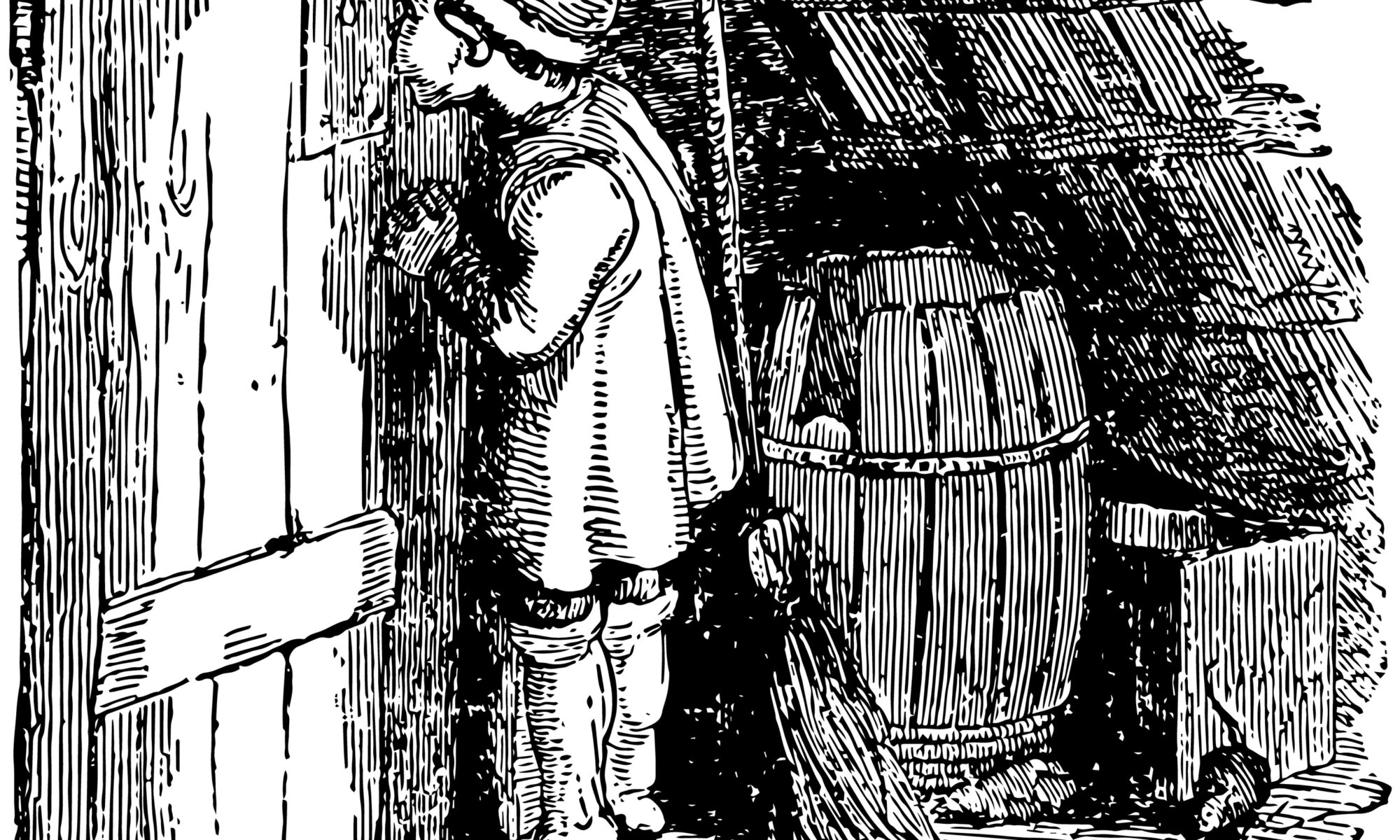
Now, Friar Rush does not come to the monastery looking like a typical pointy-eared and horned devil.
Instead, he appears as just a young, honest man looking for work. He succeeds and manages to become a kitchen servant.
The character first appears in text from a 15th century Low German verse text, though it is possible he is older and comes from an oral tradition. The character would later appear in Danish, Swedish, Dutch, and English stories. In many of these, he becomes more heavily associated with all sorts of indulgent sins — drinking and gluttony in particular.
In the English world, he is perhaps best known from the Historie of Frier Rush, which tells of how Rush was sent there from hell to disrupt the friars and the religious house to amazing and spectacular success.
The Plague of Monks and Friars
In a folkloric sense, Friar Rush is the perfect plague of a monastery. He’s not always especially forceful in his approach. He works by tempting and encouraging the monks to the point where they are incapable of doing their work at all. He encourages drinking far too much wine, eating a lot of food, being idle, engaging in arguments, and so on.
Friar Rush succeeds because of particular human weaknesses that give him opportunity.
How Do You Get Rid of Friar Rush?
This is where a line needs to be drawn from the old folklore as written and the various interpretations that would follow.
In most tellings of the story, the friars and monks figure out Rush’s demonic nature. They exorcise and expel him with Christian religious means, such as Mass.
Although he was understood as a tale, later folk tales might have been curious as to how they could deal with such a mischievous spirit.
The most basic approach would be this: get rid of the alcohol. Since Friar Rush encourages drinking, not having alcohol around and not drinking it would be the best natural approach.
Was Friar Rush an Anti-Catholic Satire?
Friar Rush does indeed belong to a long tradition of comedic works, especially satire, that looks at corrupt monks and monasteries lacking any sense of discipline. This often comes up in certain articles on the figure. There is a grain of truth here, but saying that Friar Rush is “anti-Catholic satire” is too simplistic, especially since the original tale is rather straightforward in its message: Monasteries are clerical, rigid and orderly, but here is this demonic figure making them act the opposite. Only in later tales and retellings was the figure appropriated to make fun of Catholic monasteries as becoming weak, corrupt, hypocritical, or even abusive.
This simple cleaning tool has been a keystone of witchcraft portrayals. Witches fly welkin high upon their wooden mount in the ebony sky. Some witches confessed to flying on a broomstick, and they have been a symbol of magic for a long time. But why?
Why are brooms associated with witches?
The image of a witch riding a broomstick is an icon of witchcraft. However, witches and warlocks were not always depicted as riding on brooms. This association developed and solidified more in the late Middle Ages, particularly in the days of witch-hunting.
A 1451 manuscript, Martin Le Franc’s Le Champion des Dames, depicts a very early illustration of a witch flying on the broomstick. However, it also shows another witch riding on a plain staff.
Not long after this depiction, a 1453 witchcraft case brought the issue of witches and broomsticks up. This case involved Guillaume Edelin, a French prior who was accused of witchcraft. In his confession, he admitted to riding a broom to get to the witches’ Sabbath. Edelin ended up repenting for the crime and spent the rest of his life in prison.
Oddly enough, prior to his accusation, Edelin denounced and ridiculed the idea of both the witches’ Sabbath and that witches could fly on brooms. His denial of such things ended up making him seem suspicious, as accusers seemingly believed Satan told him to preach such things so people would not believe it.
There is uncertainty regarding parts of the trial and interrogation. Many believe he confessed under extreme pressure, duress, or even physical torture.
If anything, this really shows us the absurdity of most witch trials. He denied witches could fly on brooms, and that is evidence of the devil telling him something.
Brooms weren’t the only flying machine for the witches. As stories developed across the late-medieval and early-modern witch periods, other objects would appear. They could be pitchforks, shovels, and even animals.
Late Middle Ages and Early Modern Period: Isobel Gowdie and the Witch’s Broom
For one reason or another, the broom remained as the most iconic instrument for flight when it came to witchcraft.
Another famous confession and account comes in 1662 from a Scottish woman: Isobel Gowdie. She gave a variety of confessions, and in one of them, she said she placed a broom in her bed and, as she left the house, recited words intended to keep it there until she returned. This account may have helped push the idea that a broom is an extension of the witch. Though, this is an early modern myth and not medieval.
Why Did Witches Fly Through Chimneys?
A fairly common element derived from witches and their broomsticks is the idea that they could fly straight out of the chimney.
In 1598, a woman named Claudine Boban was accused of witchcraft. In her account, she claimed that both she and her mother mounted a broom and shot right out of their chimney to ride to the witches’ Sabbath. This may have been a part in contributing to this idea, but this association predates her confession.
Another explanation comes from a possible tradition of women placing a broom against the door or in the chimney to let others know they were away.
Witches, Chimneys, Sickles
As the idea of witches flying into chimneys became more prominent, it led to interesting folklore developments. Why are some chimneys at an angle? Well, one of the more well-known folklore explanations in the West is the witch’s crook. According to some legends, witches can only fly their brooms in straight lines. So, to stop a witch from landing in your chimney, bend the the flue. This would stop a witch dead in their tracks.
The real explanation for why they are lopsided is more boring and is about warmth and limits. Builders would employ that bend to guide the chimney safely past roof rafters or structural beams. Then, masons would adjust the angle of the flue to make sure the chimney emerged correctly,
Though, perhaps one of the more unique, and violent, accounts comes from South Slavic folklore. Friedrich Salomo Krauss, a 19th century folklorist, described an interesting account. According to him, some might launch volleys into the sky, aimed right at the clouds, to shoot witches down. This wasn’t blind firing. Some believed that witches thrived in the dark, stormy clouds of hail and thunder. According to them, witches were the source of these storms. Others would use potent herbs and let the smoke rise high up, as some of them were believed to be the bane of witches. A bonfire also might be lit, which was supposed to offer protection against the storm and hail.
It wasn’t enough to let a bullet or even the landing finish the job. Some would deliberately place sickles, scythes, billhooks, all other types of sharp tools to cut or impale any witch that landed on them.