
Who Is Friar Rush?
Friar Rush is a mischievous supernatural figure that originates from Medieval and Early Modern European folklore. This little trickster was said to infiltrate monasteries and prank, corrupt, and disturb the monks there. He pushes strife, disorder, arguments, and even plays jokes on the monks — which are rather destructive.
Now, Friar Rush does not come to the monastery looking like a typical pointy-eared and horned devil.

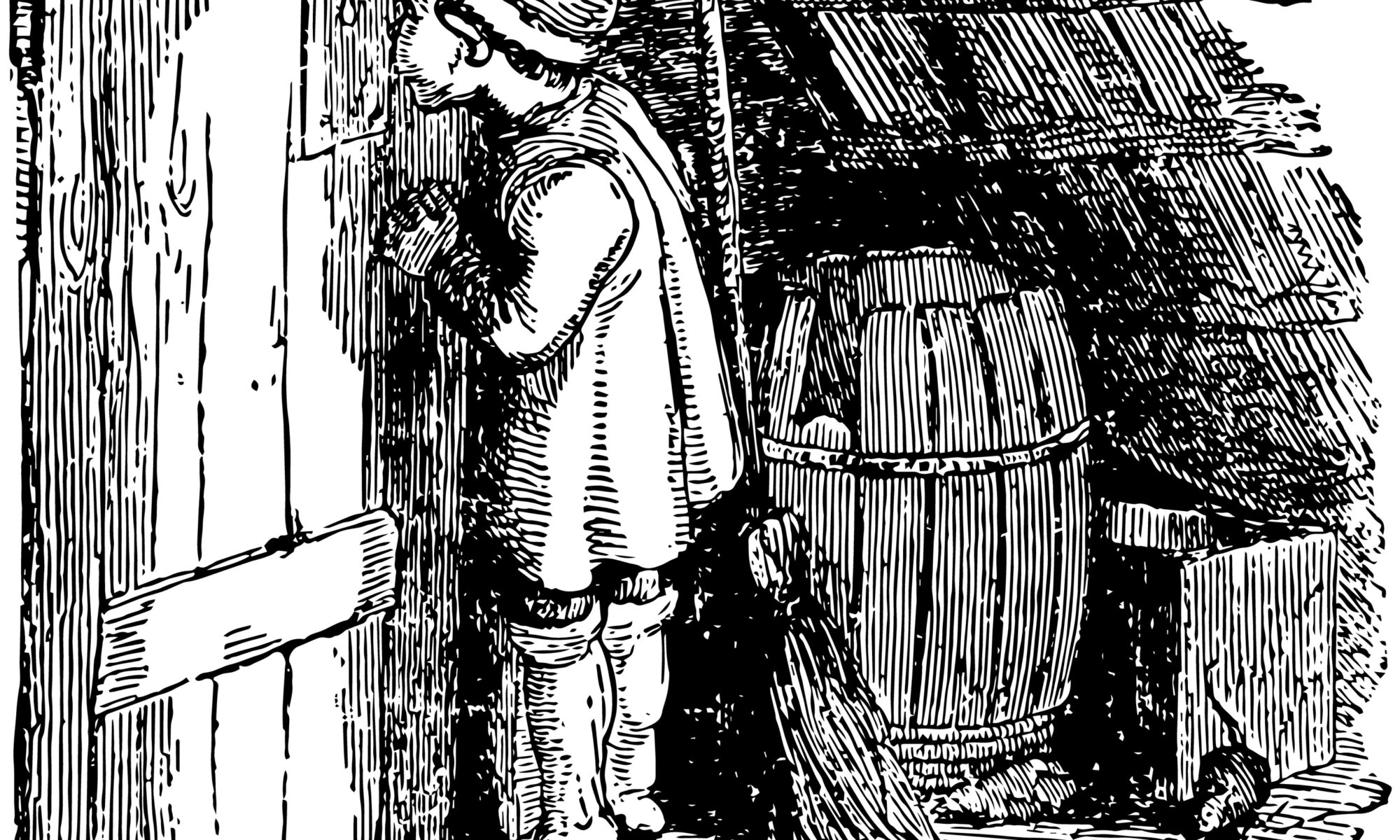
Instead, he appears as just a young, honest man looking for work. He succeeds and manages to become a kitchen servant.
The character first appears in text from a 15th century Low German verse text, though it is possible he is older and comes from an oral tradition. The character would later appear in Danish, Swedish, Dutch, and English stories. In many of these, he becomes more heavily associated with all sorts of indulgent sins — drinking and gluttony in particular.
In the English world, he is perhaps best known from the Historie of Frier Rush, which tells of how Rush was sent there from hell to disrupt the friars and the religious house to amazing and spectacular success.
The Plague of Monks and Friars
In a folkloric sense, Friar Rush is the perfect plague of a monastery. He’s not always especially forceful in his approach. He works by tempting and encouraging the monks to the point where they are incapable of doing their work at all. He encourages drinking far too much wine, eating a lot of food, being idle, engaging in arguments, and so on.
Friar Rush succeeds because of particular human weaknesses that give him opportunity.
How Do You Get Rid of Friar Rush?
This is where a line needs to be drawn from the old folklore as written and the various interpretations that would follow.
In most tellings of the story, the friars and monks figure out Rush’s demonic nature. They exorcise and expel him with Christian religious means, such as Mass.
Although he was understood as a tale, later folk tales might have been curious as to how they could deal with such a mischievous spirit.
The most basic approach would be this: get rid of the alcohol. Since Friar Rush encourages drinking, not having alcohol around and not drinking it would be the best natural approach.

Was Friar Rush an Anti-Catholic Satire?
Friar Rush does indeed belong to a long tradition of comedic works, especially satire, that looks at corrupt monks and monasteries lacking any sense of discipline. This often comes up in certain articles on the figure. There is a grain of truth here, but saying that Friar Rush is “anti-Catholic satire” is too simplistic, especially since the original tale is rather straightforward in its message: Monasteries are clerical, rigid and orderly, but here is this demonic figure making them act the opposite. Only in later tales and retellings was the figure appropriated to make fun of Catholic monasteries as becoming weak, corrupt, hypocritical, or even abusive.