
Anthracitis: The Fiery Stone of Ancient and Medieval Lore

Anthracite Stone

A very hard piece of coal that has the radiance of fire with white veins.  Said to glow in water but fade in oil.  It is also referred to as Black Coal, Crow Coal, or even Black Diamonds.

Albertus Magnus linked it with carbuncle, like ruby or garnet. Other medieval legends hold that it could help the possessor ward off abscesses.

What is Anthracitis?

This is an uncommonly talked about stone in the modern day. However, Anthracitis has a long tradition with ancient and medieval lapidary sources. It has been described as incredibly hard and dark, likened to that of coal. However, some accounts would describe the stone as having white streaks or veins coursing through it, claiming its fiery radiance was immediately apparent when placed in water. However, they would add that it fades in oil.

The name is related to the Greek word anthrax, which means coal or burning coal. This term has been associated with other famous fiery red stones, among the most well-known of these is carbuncle. So, it was not uncommon for a medieval writers to connect Anthracitis with ruby or garnet because of the gleaming, flame-like appearance.

Albertus Magnus, German Dominican friar, bishop, and philosopher, noted similar stones in his works on minerals.

Like many stones described in medieval lapidaries, Anthracitis carried multiple meanings and medicinal or protective powers. Among the more well-known ones attributed to Antrhacitis was its claimed ability to prevent abscesses.

It is also worth noting that Anthracitis should not be confused with modern anthracite coal. It is confusing, since they do share the same linguistic root, and anthracite is also incredibly hard coal, which is also known as black coal, crow coal, and black diamond.
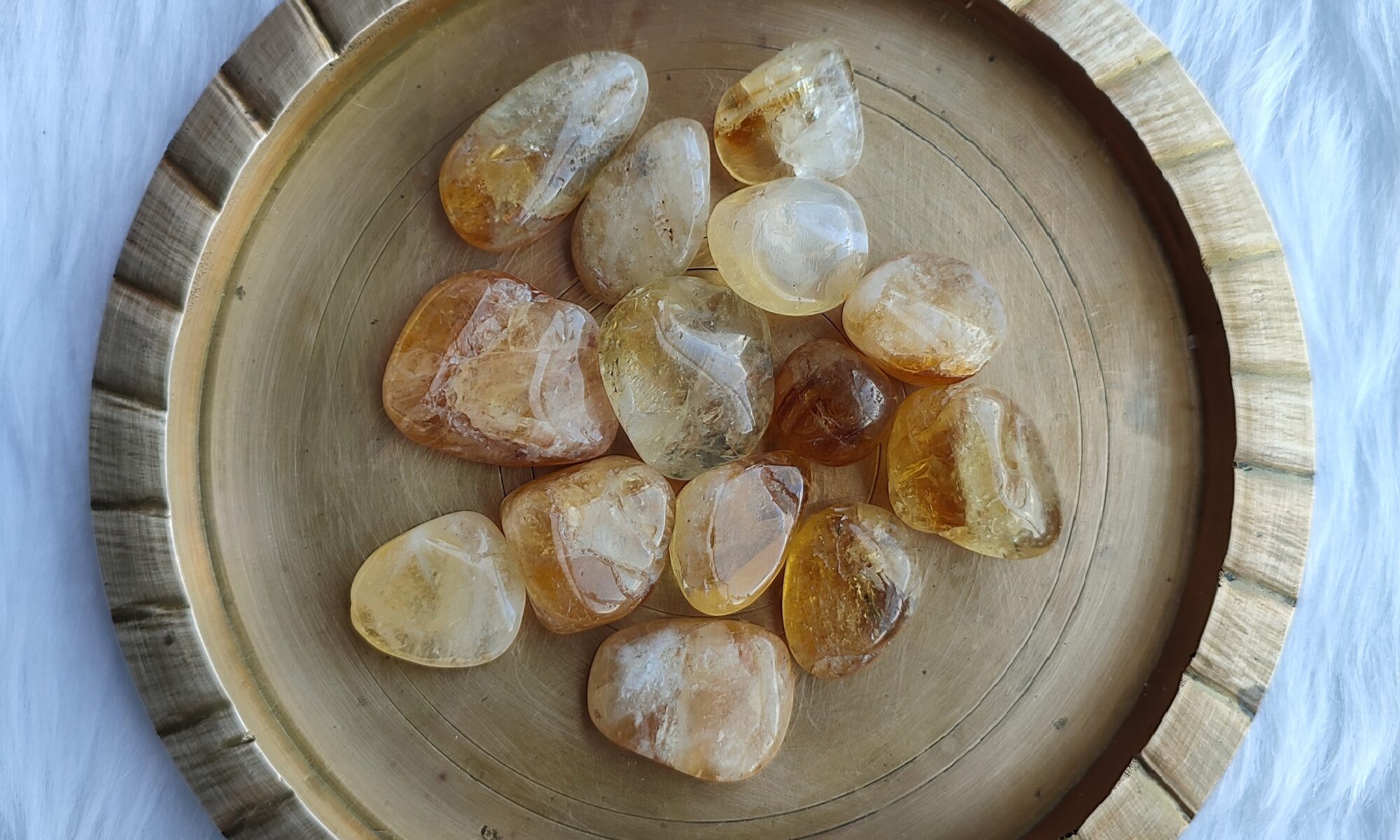
Agapis Stone: Meaning, History, Folklore & Properties

bowl of agate stones

Agapis is a legendary yellow stone that, according to historical gemstone lore, was believed to help relieve the effects of bites and stings when dipped in water and applied to the affected. It has a history of being known as a happy stone that brings joy, love, and warmth.

What is Agapis Stone?

Agapis is a rather obscure yellow stone that occasionally pops up in old gemstone lore. It isn’t especially known like many gemstones we are familiar with today. Rather, Agapis is better as something historical, traditional, and legendary rather than something we can define with modern minerology. This makes finding a real world “agapis” kind of tricky.

So, what do the historical sources say? Historically, it was often associated with agate, a variety of chalcedony. You probably guessed as much due to the stone’s name. However, back then, people used a variety of gemstone names, and there weren’t many standards. Another complicating factor is language, translation, and corruptions over the centuries. So, agapis’s exact identity is not immediately clear sometimes.

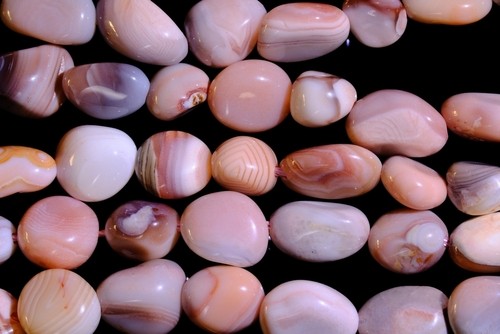
Agapis, agate stone collection

Agapis Meaning and Symbolism

Agapis has traditionally been associated with on love, joy, charity, and warmth. It has been called a “happy” stone, which is fairly notable given just how many stones have a reputation for thwarting evil magick. Though, it has been associated with healing. According to historical gemstone lore, the agapis stone was said to help offer relief for bites and stings when it is dipped in water and rubbed to affected areas.

It’s also worth noting that “love” here does not strictly mean “romance.” Historically, love has encompassed a variety of areas, such as charity and kindness. In fact, the stone’s name is derived from agape, an old Greek word for unconditional or divine love.

Why is Agapis Obscure?

Agapis is doesn’t really appear much in modern minerology. There could be a few reasons for this, such as it being a part of a much older naming tradition. It is also possible the stone was mixed up with other gemstones and minerals or merely replaced by a more standard name, like agate.

Amandinus Stone: Meaning, Powers, History & Dream Lore

Amandinus Stone
Close up of rainbow quartz

The Amandinus stone is a fairly mysterious gemstone, and it is rather obscure in the modern day. It has been extensively detailed across various medieval lapidary literature. Most notably, it was said to shine as a variety of colors. Like many stones, various extraordinary powers have been tied to Amandinus.

According to these medieval traditions, it was said to offer protection from poison, make on victorious over their foes, and the bestow the ability to understand prophetic dreams and visions.

However, one thing that makes Amandinus stand apart from other stones associated with magick, such as amethyst, agate, or sapphire, is that it isn’t tied down to a single recognized mineral today. This is fairly common with some stones. Identity is lost, corrupted over the centuries, misidentified, or something else entirely.

So, there is much uncertainty about the Amandinus stone. That said, what we do know about it is Amandinus the name seems to apply to multicolored stone, or a stone that can appear in multiple colors, and it was claimed to have magickal properties by various medieval writers.

The stone is mentioned in Albert Magnus’s De Mineralibus (The Book of Minerals) from the 13th century. The work is known for recording an extensive amount of information on minerals and precious stones as a whole. Magnus’s work explains it is a gem of many colors and was said to be a remedy for poison, help its possessor overcome great foes, aid one in understanding prophecies and dreams, and help them understand riddles or enigmas.

Later, Martin Ruland’s Lexicon Alchemiae sive Dictionarium Alchemisticum has a similar description of Amandinus, stating it is a stone of many colors and “destroys and binds all venomous animals.” However, Ruland’s account seems to be derived from Magnus’s. In fact, he tells the reader to go look at Magnus’s work for further information.

Amandinus Meaning and Symbolism

The meaning of Amandinus is seems to have been closely tied to wisdom, protection, and braving the unknown.

Macro shot of rainbow quartz

As these medieval accounts claim the stone could help with riddles and prophecies, one could say Amandinus was a stone of hidden knowledge. Though, not to bring revelations and new information. Rather, to help one to understand what has been revealed to them.

One peculiar power that medieval writers claimed Amandinus had was counteracting poison. This is hardly the first stone to have such an association, and many other gems were said to have the ability to detect or neutralize poison.

Unfortunately, it’s hard to say exactly what Amandinus was. It may have run through many different names, corruptions, or identities before falling here.

What remains is a wonderful legend.