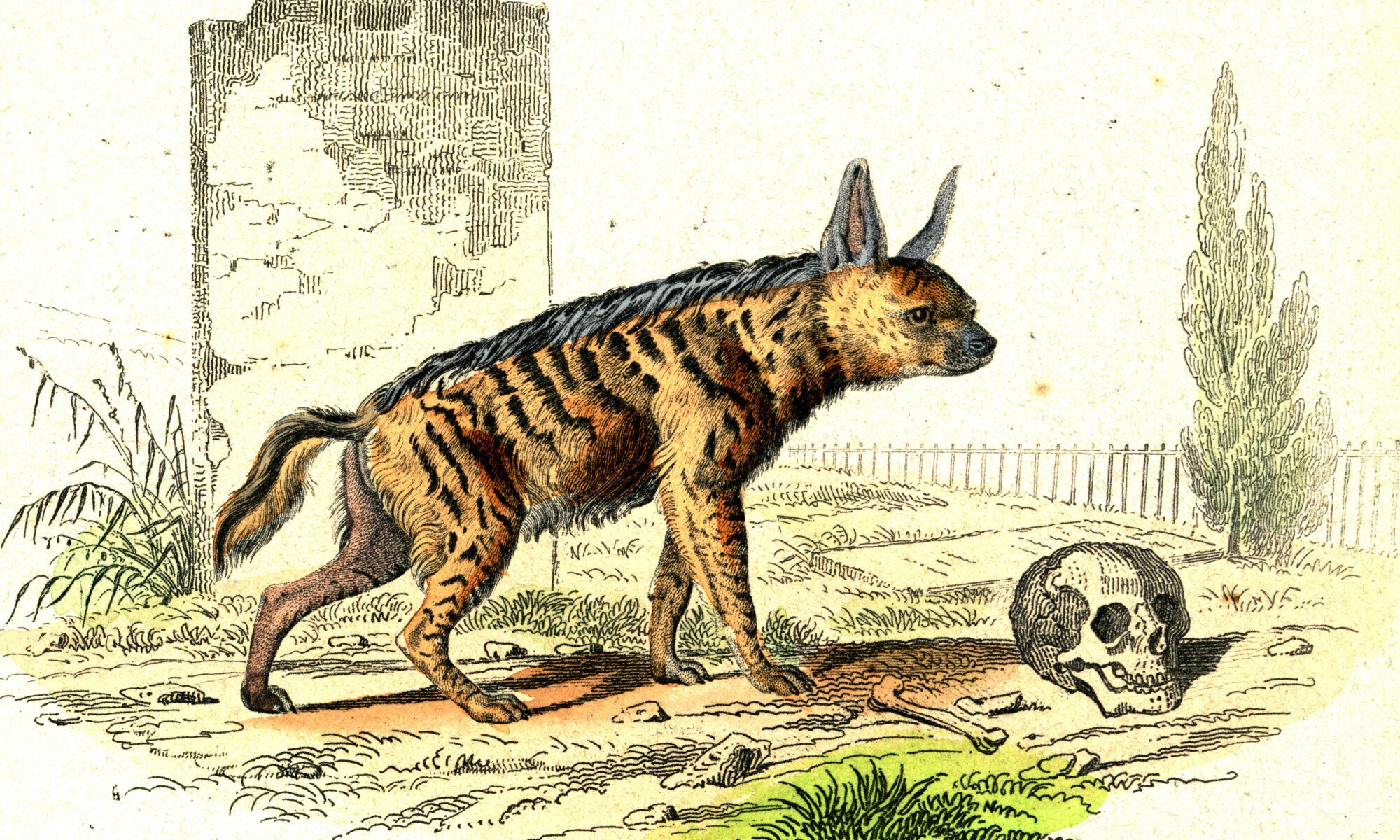
This stone was supposedly pulled from the eye of a Hyena. It could cure ‘quartan malaria’ (a mild form) and gout. When placed under the tongue, the stone could bring about visions and foretell the future for the user.
According to Roman Naturalist Pliny the Elder, many hunters went out to kill hyenas just to get this prized stone.
What Was the Hyena Stone?
The Hyena Stone, sometimes called hyaenia, was supposedly a small stone that came from a hyena’s eye, forehead, or belly. Ancient tales and legends claimed it had the power of divination.
An early mention of it comes from Pliny the Elder in his Natural History. There, he said it comes from a hyena’s eye, and when placed under a tongue, it supposedly gave that person the ability to predict the future. Pliny was generally skeptical of magickal claims, so he wrote about it with some distance.
In certain later descriptions, writers claimed that this legendary stone could even cure mild malaria and gout. Others, would say it could help lighten and cure a fever.
While many of this comes from later writers, some of it also appears in Pliny’s account in some way. For instance, he recorded many folk claims of healing that supposedly derived from the hyena. He said that folk healers would use their teeth for headaches and “quartan fevers relieved by three tastes of the liver before the attacks, gout by the ash of the spine.”
This might explain why others attributed these cures to the hyena stone.
Was the Hyena Stone a Real Gemstone?
There is no evidence that the Hyena Stone was a real gemstone itself. The history seems to follow a tradition of many Hyena-related health claims.
Strangely, it is typically birds associated with exotic or fantastical minerals, which are typically believed to be gastroliths.
Hyena’s don’t have gastroliths.
There is much speculation about what the imagined mineral was, with suggestions ranging quite a bit. It could have been chatoyancy, or it could have been quartz. It’s possible that there was never a distinct mineral in mind at all.
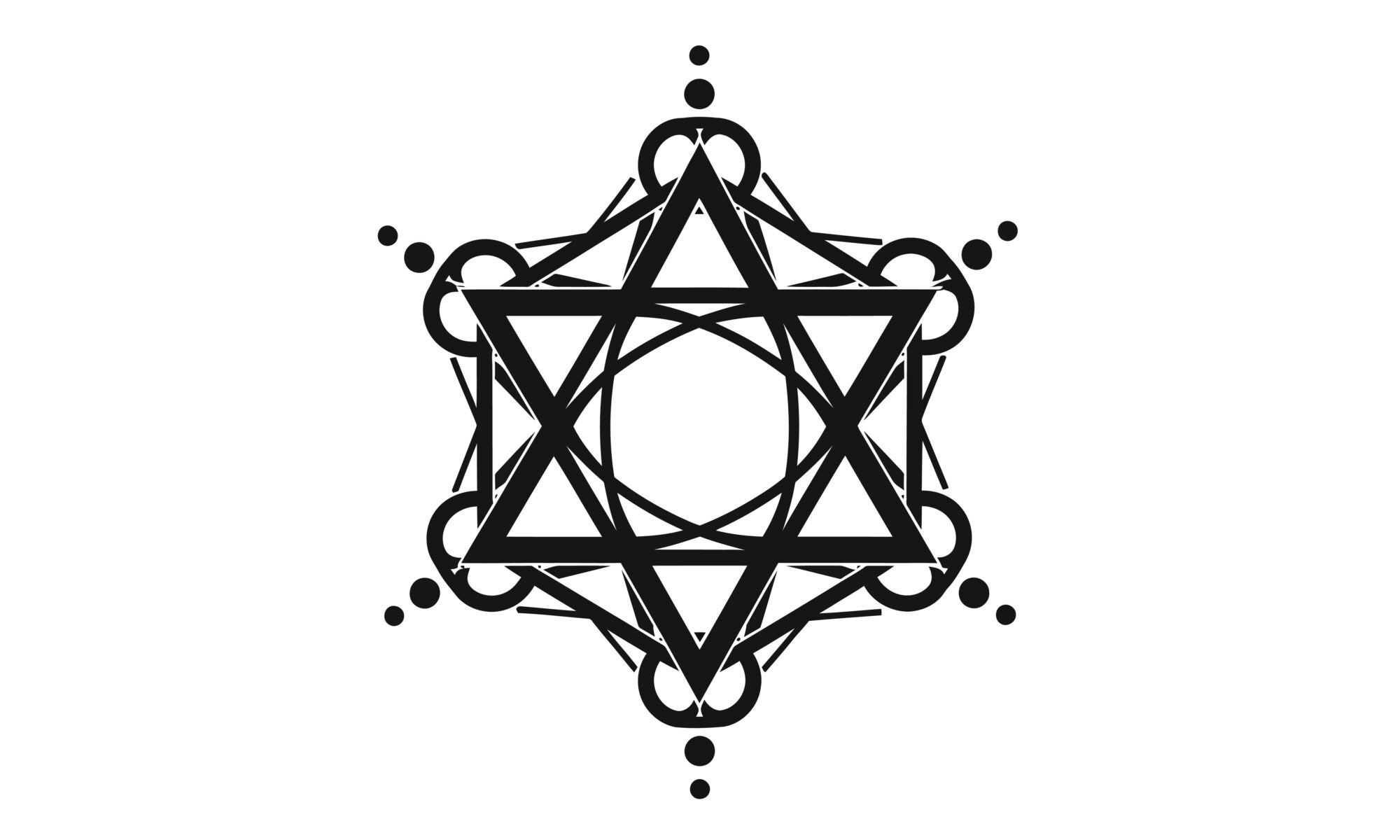
The hexagram consists of two overlapping triangles. The one thing that many people associate with a hexagram is the Star of David. Religiously, the hexagram symbolizes the relation of man and God. But the strange thing is that the hexagram is not mentioned in the Bible, so the origin of the hexagram’s connection to the Star of David is a little strange. The Star of David does mean ‘David’s Shield,’ and it was worn by Jews or placed on Jewish amulets so its wearer could have good luck and ward off bad luck.
Today the flag of Israel does have a hexagram, more specifically the Star of David. However, the hexagram can also symbolize male and female, like Yin-Yang. In European magick, the hexagram is used for spirit mastery and for removing malicious spirits, and it is also used in alchemy as a symbol of distillation. It may also symbolize the Philosopher’s stone, a stone that could change metals into more valuable ones, such as gold or silver.
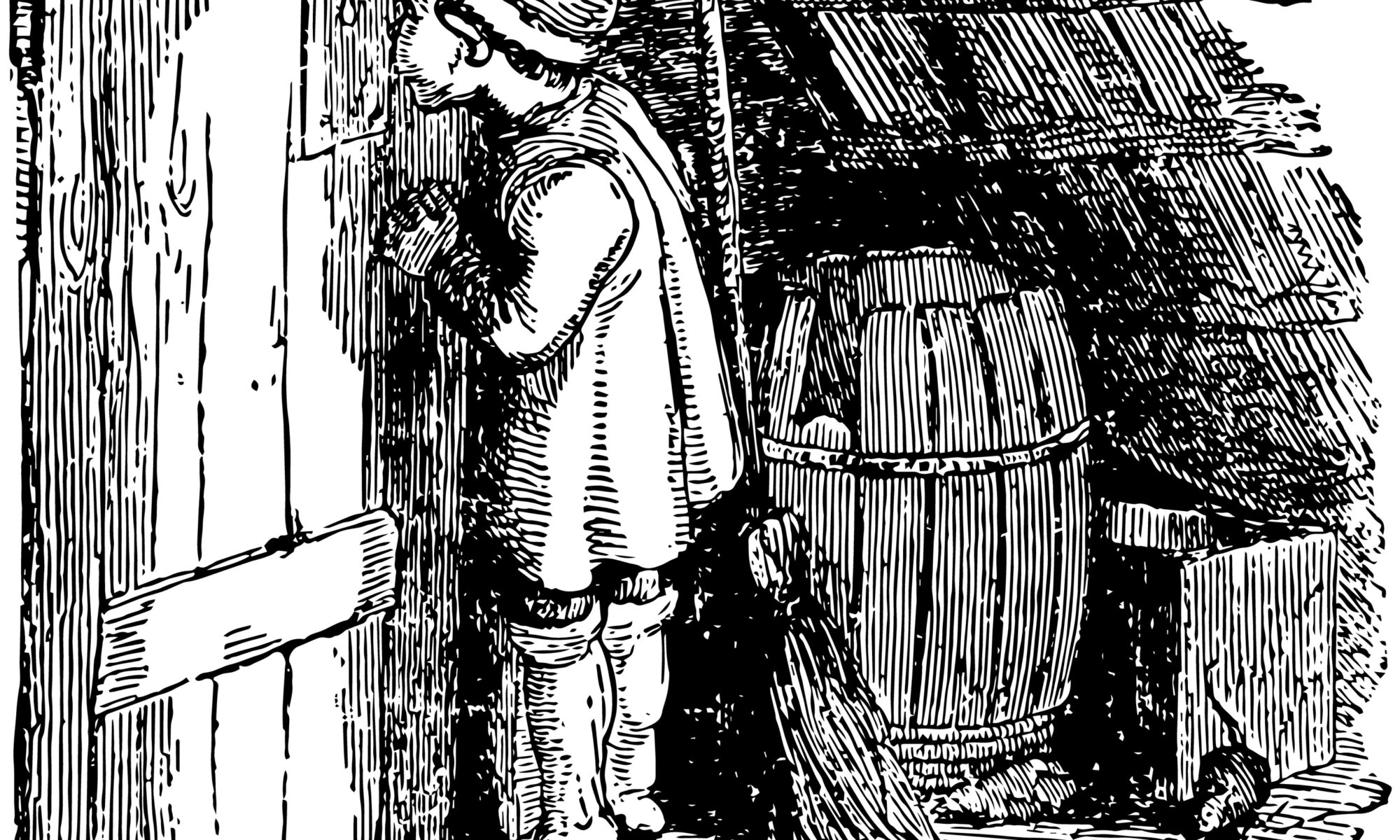
Friar Rush is a mischievous supernatural figure that originates from Medieval and Early Modern European folklore. This little trickster was said to infiltrate monasteries and prank, corrupt, and disturb the monks there. He pushes strife, disorder, arguments, and even plays jokes on the monks — which are rather destructive.
Now, Friar Rush does not come to the monastery looking like a typical pointy-eared and horned devil.
Instead, he appears as just a young, honest man looking for work. He succeeds and manages to become a kitchen servant.
The character first appears in text from a 15th century Low German verse text, though it is possible he is older and comes from an oral tradition. The character would later appear in Danish, Swedish, Dutch, and English stories. In many of these, he becomes more heavily associated with all sorts of indulgent sins — drinking and gluttony in particular.
In the English world, he is perhaps best known from the Historie of Frier Rush, which tells of how Rush was sent there from hell to disrupt the friars and the religious house to amazing and spectacular success.
The Plague of Monks and Friars
In a folkloric sense, Friar Rush is the perfect plague of a monastery. He’s not always especially forceful in his approach. He works by tempting and encouraging the monks to the point where they are incapable of doing their work at all. He encourages drinking far too much wine, eating a lot of food, being idle, engaging in arguments, and so on.
Friar Rush succeeds because of particular human weaknesses that give him opportunity.
How Do You Get Rid of Friar Rush?
This is where a line needs to be drawn from the old folklore as written and the various interpretations that would follow.
In most tellings of the story, the friars and monks figure out Rush’s demonic nature. They exorcise and expel him with Christian religious means, such as Mass.
Although he was understood as a tale, later folk tales might have been curious as to how they could deal with such a mischievous spirit.
The most basic approach would be this: get rid of the alcohol. Since Friar Rush encourages drinking, not having alcohol around and not drinking it would be the best natural approach.
Was Friar Rush an Anti-Catholic Satire?
Friar Rush does indeed belong to a long tradition of comedic works, especially satire, that looks at corrupt monks and monasteries lacking any sense of discipline. This often comes up in certain articles on the figure. There is a grain of truth here, but saying that Friar Rush is “anti-Catholic satire” is too simplistic, especially since the original tale is rather straightforward in its message: Monasteries are clerical, rigid and orderly, but here is this demonic figure making them act the opposite. Only in later tales and retellings was the figure appropriated to make fun of Catholic monasteries as becoming weak, corrupt, hypocritical, or even abusive.
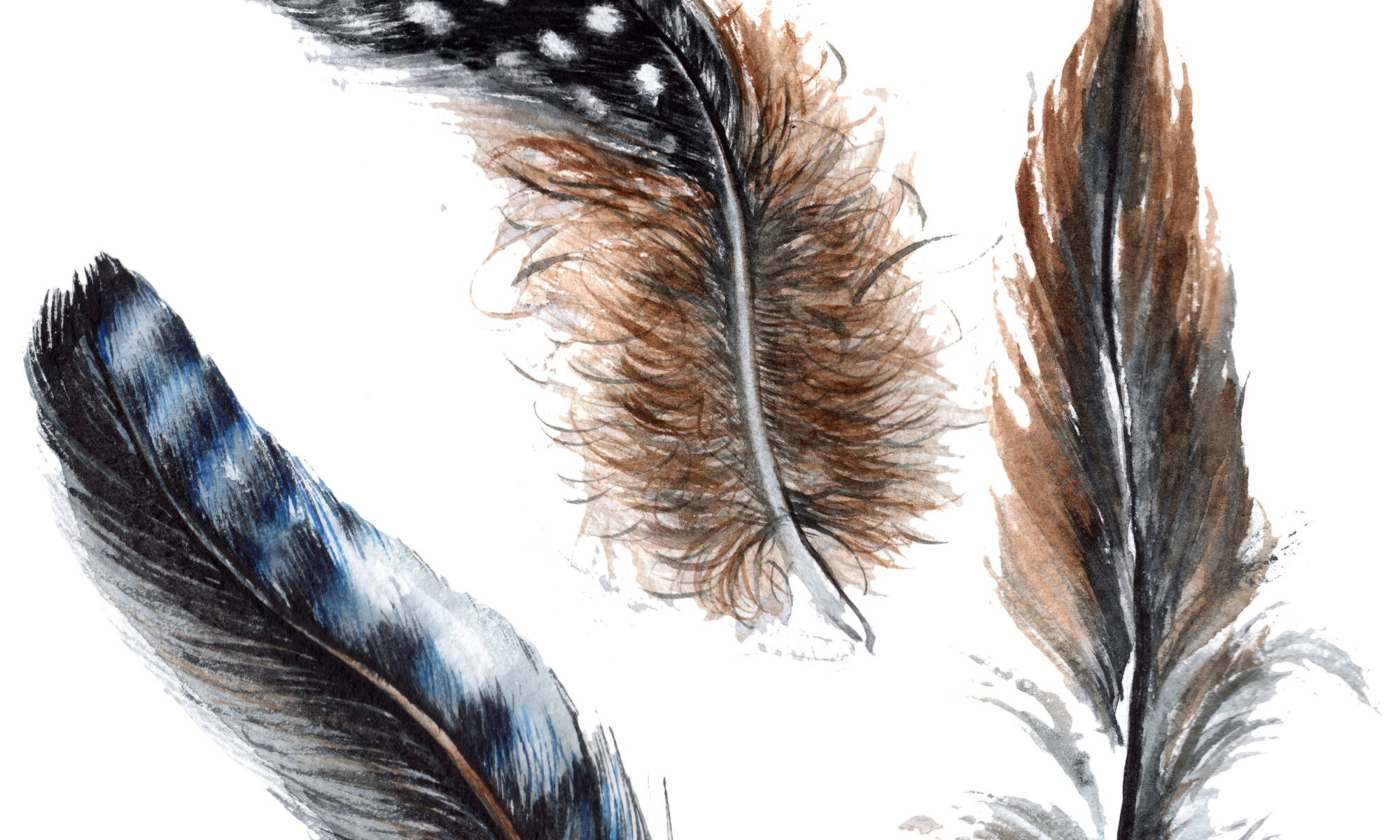
A feather weighs almost nothing. And yet it is so heavy in symbolism.
Feathers have acquired such immense meaning across different cultures and time periods. Truth, freedom, spiritual authority, honor, prayer, protection, achievement, remembrance, and the boundary between life and death. These meanings were also usually entirely unique. For instance, a feather in ancient Egypt would have an entirely different meaning when compared to various Native American traditions.
So, to understand feather symbolism, we would need to look at various cultures, birds, and histories
That said, in modern Western symbolism, a feather typically represents freedom, lightness, and hope. More specifically, they can represent one overcoming obstacles and rising above arbitrary limits.
Feathers as a Sign of Life
Because feathers are incredibly light, one historical meaning was that a feather could be a sign of life.
In the modern day, we have various ways to see if someone is still alive. Back then, someone could hold a feather near someone’s mouth or nose. If the feather moved at all, that person might still be breathing and could still be alive.
Various tales and forms of historical medical literature describe more than just feathers. A candle was another popular choice. Of course, these methods are rather imprecise. But it did help cement the feather’s symbol and meaning for something between life and death.
Feathers and Ancient Egypt
The feather of Ma’at is perhaps the most famous symbolic representation of feathers.
In ancient Egypt, Ma’at embodied truth, justice, order, and even rightful functioning of the cosmos. A feather could be seen as representative of Ma’at, and she was commonly depicted as a goddess wearing a tall feather.
Ancient Egyptian funerary beliefs are vast and intricate, but a very well-known one in the public is the judgment in the afterlife and the weighing of the heart. The heart was seen as the center of a life – memories, thoughts, moral actions, and all.
The heart of the deceased was weighed against Ma’at or a feather that represented her. If they lived in accordance with Ma’at, their afterlife was blessed. But if not? The heart could be fed to Ammit (or Ammut). Ammit was depicted with a variety of features. She had the head of a crocodile, the body of a lion, and the hindquarters of a hippopotamus. If she ate your heart, any possible existence of a peaceful afterlife went away there, as your soul was destroyed. From there, the soul would become eternally restless.
Native American Feather Meaning and Symbolism
Aside from Egypt, feathers are also typically associated with various Indigenous cultures of North America. While there is no single symbolic representation, as Native American communities are incredibly diverse, we can still explore the history.
The Smithsonian’s National Museum of the American Indian records a great deal of ceremonial feather objects. These have been associated with the Shawnee, Comanche, Tahltan, A (Zuni), Acoma Pueblo, Wixarika, and many more.
Eagle feathers have immense cultural and religious importance for various American Indigenous communities. In the U.S., federal wildlife laws are strict and generally prohibit selling, hunting, killing, or capturing over a thousand listed species of migratory birds, and it does not discriminate based on whether the bird is alive or dead. Protections are extended further to any bird parts – including feathers. This is to say that you should not seek out eagle feathers yourself.
There is a longstanding recognition from the U.S. government that eagle feathers have been used in Indigenous American religious ceremonies and traditional cultural icons. As a result, individuals of federally recognized tribes are generally given exceptions and can obtain eagle feathers and other eagle parts for religious and cultural purposes.
The feather can carry various meanings, ranging from ceremony, religion and spirituality, honor, responsibility, leadership, and healing. These vary greatly based on tribe or nation.
Perhaps the most common misconceptions involve feather headdresses, with many believing they were universally worn by fighters and warriors who would add a feather for each enemy killed.
In reality, the use of feathered headdresses varied immensely. They were commonly associated with Plains, and they had various meanings across status, merit, or achievement. Typically, they were reserved for leaders. Eagle feathers in general were signs of great merit and respect.
The Feather Today
Feathers still see immense symbolic popularity today. It’s quite common to see them in jewelry, clothing, and tattoos. Often, it is used to show freedom, liberty, or rebirth (especially a phoenix feather).