

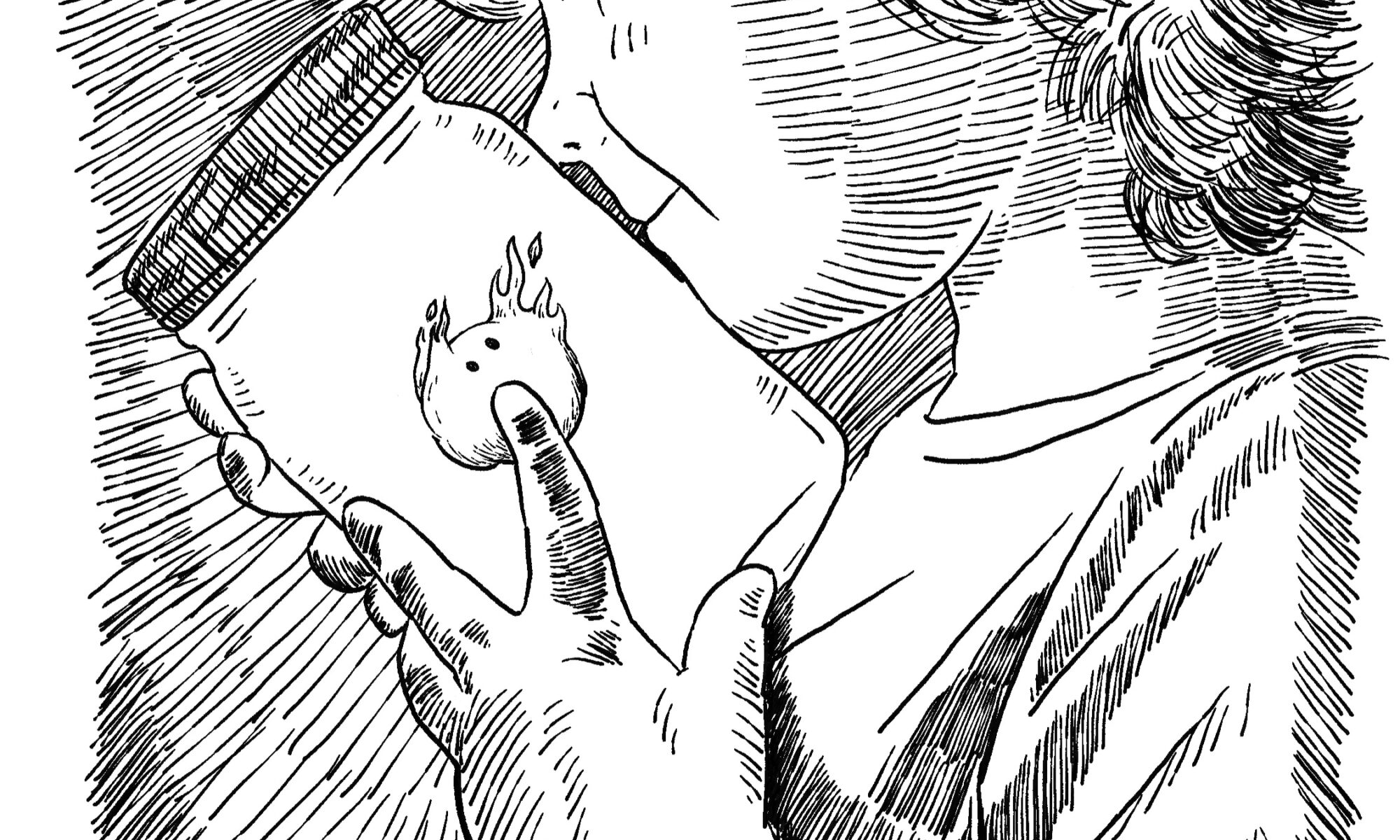
A homunculus is traditionally understood as a human being created through alchemical or occult means. The word “Homunculus” is of Latin origin and means “little human”. It first appeared in De homunculis and De natura rerum.

The homunculus is typically associated with 16th-century physician and alchemist Paracelsus, though it is not entirely clear if the was the writer of the original passages in De natura rerum. Today, it is believed to have been written by numerous authors and not Paracelsus.
The most famous tales of the homunculus describes it as a small human sealed inside of a vessel of some kind.
What Is a Homunculus?
A homunculus is a small human artificially created through alchemy, and it was imagined as an genuinely living, breathing human. While many alchemists are associated with metals and turning lead to gold, quite a few of them were eager to understand the nature of life itself. Many of them were especially curious about growth, decay, medicine, and even creation itself.
But how did one make a homunculus then?
According to the old recipes and such: To create this being, human semen would be encased in a glass jar or vial. The jar is then placed in a horse’s womb or manure for 40 days. Yuck. If you could stomach that, you would supposedly see movement in the jar on the 41st day. It also supposedly would take a vaguely transparent human shape.
This transparent being must be fed while remaining in the horse manure for 40 weeks. Variations describe the rotation of fresh horse manure (in whatever rotation of days that may mean). The being was said to slowly develop a childlike form, now needing the “arcana” of human blood and steady warmth.

After 40 weeks, the incubation period is over. According to the recipe, someone would end up with a living, human baby that is no less distinguishable than a baby given birth to by a mother, though it would be much smaller.
Manure probably stands out to you readers…why manure? It is strange, yes, but it was supposed to be a good substitute for the warmth of a womb.
Now, the original wording used “venter equinus” does literally refer to a horse’s womb. But, historically, it actually referred to the fermenting manure.
That said, there does exist an earlier text that references the womb of a cow. This comes from the Liber vaccae. This text is falsely attributed to Plato, and it comes from an Arabic translation into Latin. The process is not dissimilar, except it says that human semen would be placed into the womb of a cow.
No evidence shows that any experiment with horse manure, cows, or human semen could create a human being, and we do not advise readers to try and replicate any of these recipes.