
Agapis Stone: Meaning, History, Folklore & Properties

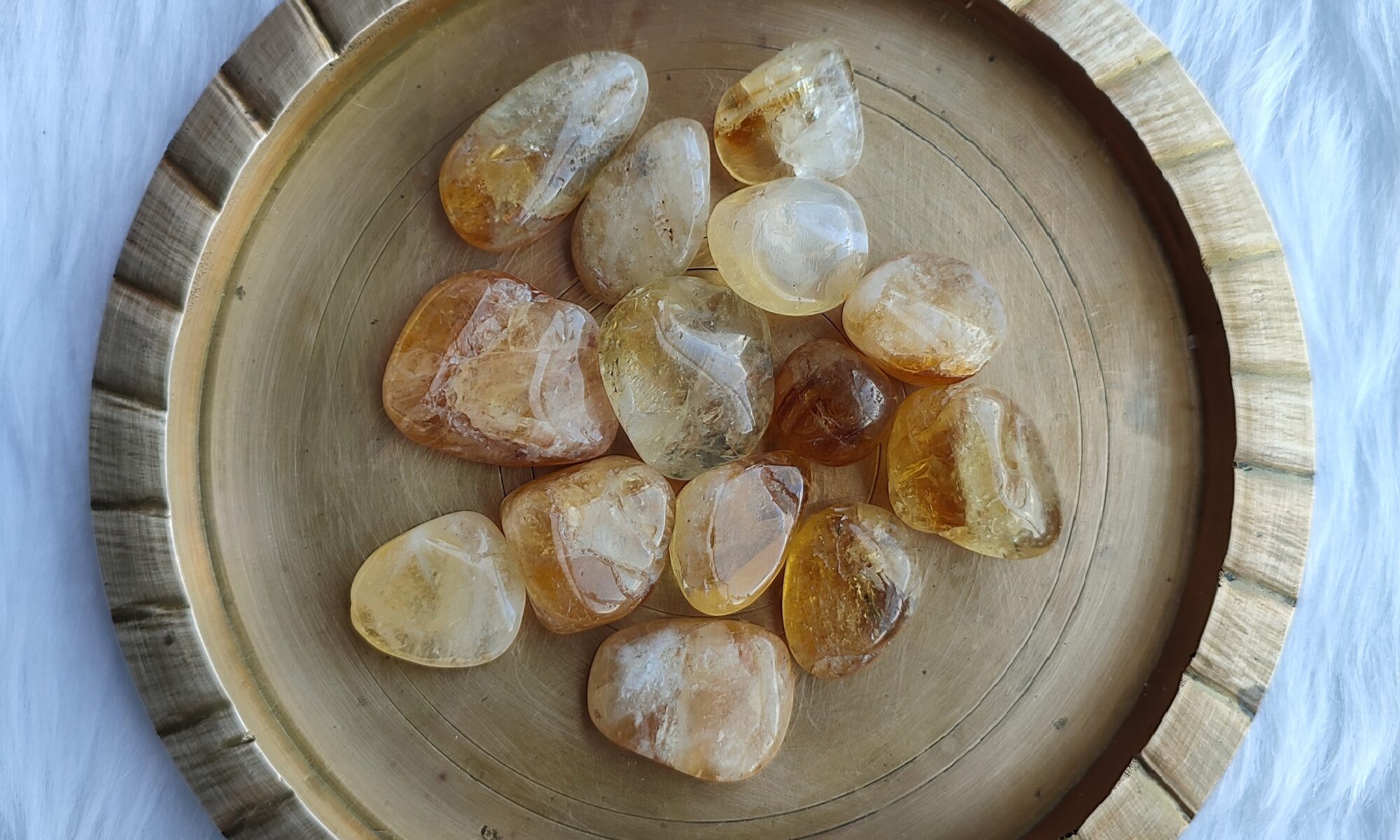
bowl of agate stones

Agapis is a legendary yellow stone that, according to historical gemstone lore, was believed to help relieve the effects of bites and stings when dipped in water and applied to the affected. It has a history of being known as a happy stone that brings joy, love, and warmth.

What is Agapis Stone?

Agapis is a rather obscure yellow stone that occasionally pops up in old gemstone lore. It isn’t especially known like many gemstones we are familiar with today. Rather, Agapis is better as something historical, traditional, and legendary rather than something we can define with modern minerology. This makes finding a real world “agapis” kind of tricky.

So, what do the historical sources say? Historically, it was often associated with agate, a variety of chalcedony. You probably guessed as much due to the stone’s name. However, back then, people used a variety of gemstone names, and there weren’t many standards. Another complicating factor is language, translation, and corruptions over the centuries. So, agapis’s exact identity is not immediately clear sometimes.
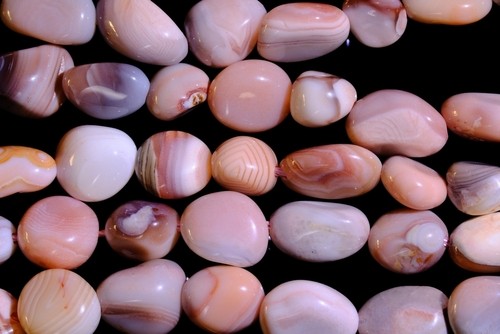
Agapis, agate stone collection

Agapis Meaning and Symbolism

Agapis has traditionally been associated with on love, joy, charity, and warmth. It has been called a “happy” stone, which is fairly notable given just how many stones have a reputation for thwarting evil magick. Though, it has been associated with healing. According to historical gemstone lore, the agapis stone was said to help offer relief for bites and stings when it is dipped in water and rubbed to affected areas.

It’s also worth noting that “love” here does not strictly mean “romance.” Historically, love has encompassed a variety of areas, such as charity and kindness. In fact, the stone’s name is derived from agape, an old Greek word for unconditional or divine love.

Why is Agapis Obscure?

Agapis is doesn’t really appear much in modern minerology. There could be a few reasons for this, such as it being a part of a much older naming tradition. It is also possible the stone was mixed up with other gemstones and minerals or merely replaced by a more standard name, like agate.
Alectorius: Meaning, History, Folklore & Properties

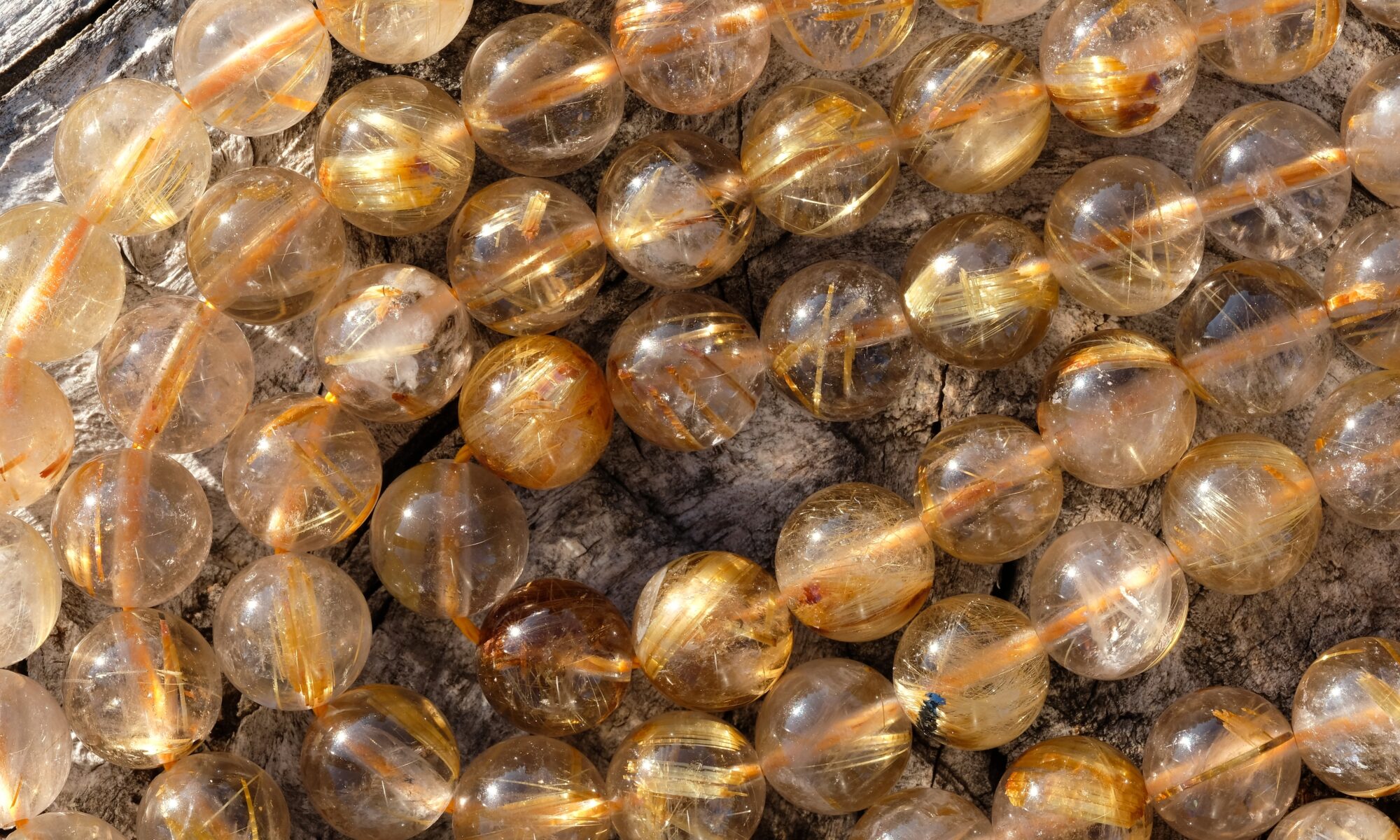
Rutilated quartz beads

Alectorius stone, also known as the Cock Stone, Capon Stone, or simply just Alectoria, is a legendary stone. It has been associated with bravery, victory, wealth, and power. This is a clear stone similar to a rutilated quartz as it often has flesh/peach veins throughout the stone.

What is Alectorius Stone?

It is said to come from the stomach of a capon, a castrated rooster, hence the name “Capon Stone” or “Cock Stone.” Warriors were said to hold Alectorius in high regards due to its associations with courage, invincibility, and strength in facing conflict. In the hands of a conqueror, it was said to help them establish a new kingdom or regain one that has been lost.

Beyond the battlefield, Alectorius was associated with passion, victory, prosperity, and ambition.

Alectorius Folklore and History

Alectorius is a fairly obscure stone, in the modern day, that only appears in some traditions or discussions. Though, it seems to have had an otherwise long literary and oral tradition life. However, from what we can see, it seems like it was valued not only for its appearance and claimed fantastical origins but also for the mystical powers associated with it.

Roman naturalist Pliny the Elder wrote of the stone, saying it was found in roosters’ stomachs. According to him, seemingly doubtful of its powers, said others would have us believe Milo of Crotona could not be bested in contests because of this stone. The alectorius stone was said to be about bean-sized and likened to a crystal — possibly quartz pebbles.

It is possible that Pliny and others who wrote about the stone were actually talking about gastroliths. A similar myth and legend is associated with swallows and swallow stones. This isn’t an uncommon motif in the world of ancient stones, and it seems like Alectorius folklore is no exception.

Alectorius does not appear much in modern discussions on crystals and gemstones today, and it is best understood as folkloric rather than a singular, identified mineral species. The physical stones discussed and talked about probably did exist, though much associated with them in terms of power is legend.

Perhaps the most interesting connection is with roosters and warriors, and its unusual origins has made the Alectorius stone a fairly distinctive one found in crystal gemstone folklore.